
Trees
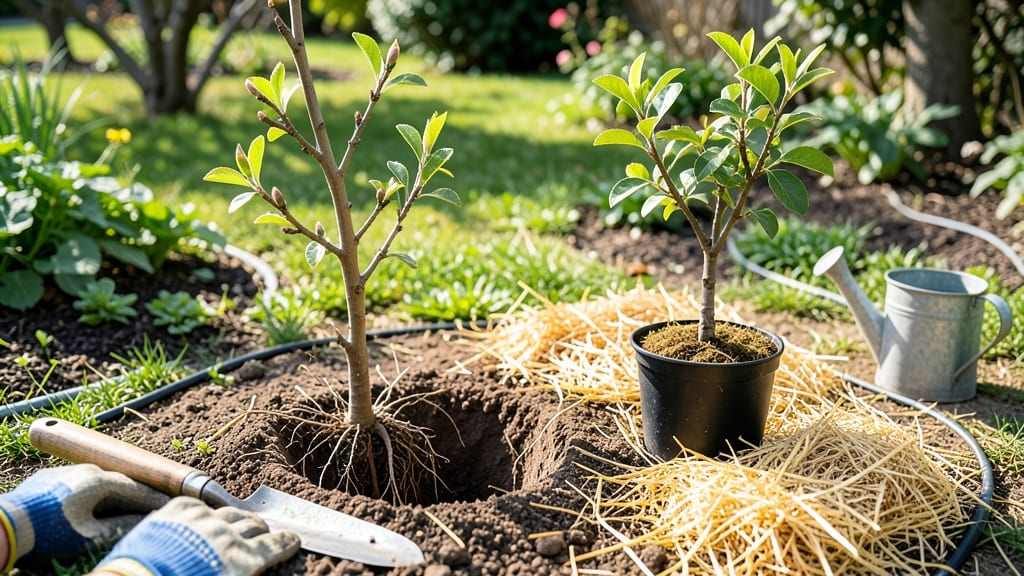
Planting a peach tree 🍑 in Alabama might seem straightforward, but getting the timing right is the key to avoiding frost damage and ensuring strong root growth. The state's varied climate—from North Alabama's chillier winters to the South's milder stretches—means your planting window depends on where you live.
For most gardeners in USDA zones 7a-8b, the ideal time to plant is late winter to early spring, between February and March, when the soil is workable but before the last frost date.
This 4-6 week window gives young trees enough time to establish roots before summer heat arrives.
Why does this matter? Planting too early risks frost damage, while waiting too long can leave your tree struggling to adapt to Alabama's intense summer sun.
I'll walk you through the exact steps to time your planting perfectly—plus how to choose varieties that thrive in your specific corner of the state.
Whether you're starting with a bare-root sapling or a container-grown tree, these insights will help you avoid common mistakes and set your peach tree up for a bountiful harvest from June to August. Let's get those roots in the ground the right way.
Alabama’s chill-hour zones: matching peach tree varieties to your location
Alabama’s diverse climate—from the Appalachian foothills to the Gulf Coast plains—creates distinct chill-hour zones that dictate which peach varieties will thrive.
Most of Alabama falls within USDA Zones 7a-8b, but chill-hour requirements (300-900 hours below 45°F) vary dramatically. Northern Alabama (e.g., Huntsville) needs 800-900 chill hours, while Southern Alabama (e.g., Mobile) often sees just 300-500 hours.
Choosing the wrong variety can mean poor fruit set or even tree death.
Peach trees require dormancy periods to break bud and produce fruit. In low-chill zones (like Mobile), traditional varieties like Elberta may fail. Instead, opt for heat-tolerant, low-chill varieties like Redhaven or Contender.
In high-chill zones (like Madison), classic varieties like Loring or Relenta excel with their 900+ chill-hour tolerance. Even a 100-hour chill difference can mean the difference between a bountiful harvest and a barely flowering tree.
🌱
If you’re unsure about your exact chill hours, check with your local Cooperative Extension office or use a chill-hour calculator based on your ZIP code. For example, Montgomery (Central AL) typically sees 600 chill hours, while Gadsden (North AL) can hit 850+ hours.
Planting a high-chill variety in Mobile might result in no fruit—so always verify before purchasing.
Another critical factor is bloom time. Early-blooming varieties (like Redhaven) risk frost damage in North Alabama, while late-blooming types (like Tropic Beauty) may escape late frosts in South Alabama.
I recommend cross-referencing bloom periods with your local frost history—tools like the Alabama Agricultural Statistics Service provide historical frost data by county.
For container growing, chill-hour requirements remain the same, but root restrictions can limit overall tree health. Choose dwarf varieties like Bonanza or Suncrest, which thrive in 5-gallon pots but still need full-sun exposure and consistent watering.
Containers also warm up faster in spring, potentially advancing bloom time—so monitor your tree closely for early signs of bud swell.
🌿
Pro tip: If you’re in a borderline chill zone (e.g., 500-600 hours), consider interplanting varieties with
Best planting windows in Alabama: frost-free timing by region
Alabama’s three distinct climate regions—North, Central, and South—each have unique last frost dates and chill-hour requirements that dictate the perfect window for planting peach trees.
In North Alabama (USDA Zones 7a-7b), where frosts linger until mid-April, aim to plant bare-root trees in late February to early March for root establishment before warm weather arrives.
For Central Alabama (Zones 7b-8a), with average last frost dates around March 15, the ideal planting window stretches from late February through April. This region’s milder winters reduce frost risk, but early spring planting still gives roots time to settle before summer heat sets in.
In South Alabama (Zones 8a-8b), where frost is rare after early March, you can plant as late as April—but bare-root trees planted after March 15 may struggle without adequate chill hours. Container-grown trees offer more flexibility in this region.
- Planting Window: Late February–Early March
- Last Frost: Mid-April
- Soil Temp: 50°F+
- Key Tip: Use frost blankets for late frosts
- Planting Window: Late February–April
- Last Frost: March 15
- Soil Temp: 55°F+
- Key Tip: Monitor local frost forecasts
- Planting Window: February–April (container trees)
- Last Frost: Early March
- Soil Temp: 60°F+
- Key Tip: Prioritize heat-tolerant varieties
Adjust your planting timeline if unseasonable frosts threaten. In North Alabama, late spring frosts (April–May) can damage young trees, so consider row covers or microclimates near buildings for protection. For South Alabama, focus on heat-tolerant varieties like ‘Redhaven’ or ‘Elberta’ to avoid summer stress.
Pro tip: Test your soil temperature with a thermometer—peach roots need 50°F+ soil to thrive. If temps are too cold, delay planting until conditions improve. Mulch heavily after planting to retain warmth and moisture during Alabama’s unpredictable spring weather.
Remember, container-grown trees can be planted up to 6 weeks later than bare-root trees, giving you flexibility if early planting isn’t possible. Just ensure they’re well-watered and acclimated to outdoor conditions before transplanting.