
Plants
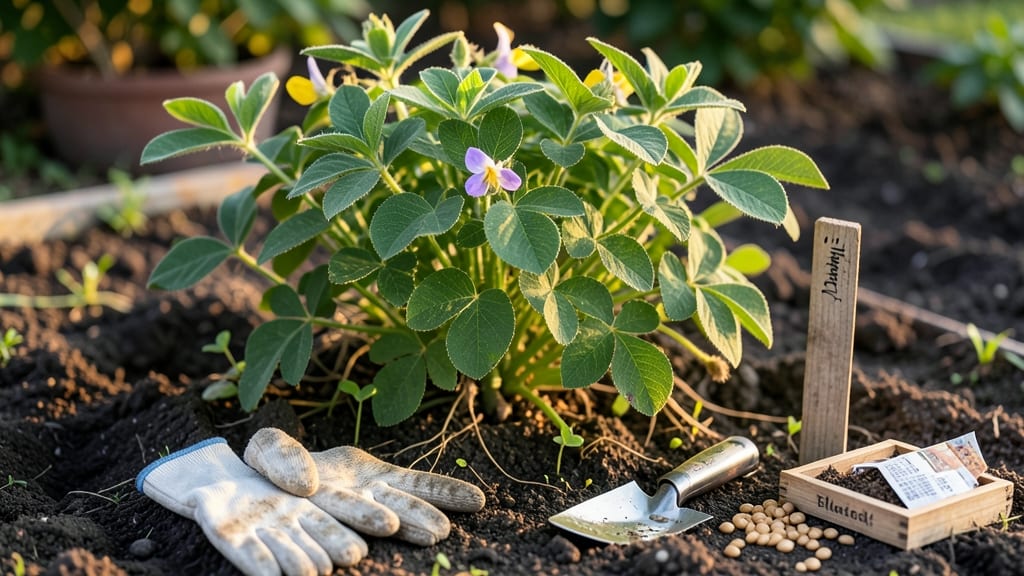
Planting peanuts in Georgia (GA) at the wrong time could mean the difference between a bountiful harvest and a total flop. With the right timing—between April 15 and June 15—your 🥜 crop thrives in Georgia’s 7a-8b zones, avoiding frost and maximizing yield.
Unlike many crops, peanuts are sensitive to cold soil and need warm temperatures to germinate properly. If you plant too early, frost can still sneak in, while late planting risks stunted growth before harvest season arrives in September-October.
In this guide, I’ll break down the exact planting window for Georgia’s heat zones, soil temperature requirements, and how to adjust for local conditions like humidity and pests. No more guessing—just a foolproof plan for your peanut patch.
Whether you’re a backyard gardener or scaling up, these insights will help you time your planting perfectly for the best possible harvest. Let’s get those peanuts in the ground at the right moment!
Georgia peanut planting dates by heat zones (8a, 8b, 9a)
Georgia’s peanut-growing season hinges on precise timing, especially across its three distinct USDA heat zones. In Zone 8a (northern GA), where frost lingers until mid-April, aim for late April to early May when soil temperatures hit 70°F+.
For Zone 8b (central GA), the window expands to mid-April through early June, while Zone 9a (southern GA) offers flexibility until mid-June—just ensure peanuts mature before the first frost in November.
Peanuts are warm-season annuals that thrive in Georgia’s heat but need consistent warmth. Spanish-type varieties (like Early Spanish) mature fastest (90-110 days), while Runner-type (e.g., Georgia Red) take 120-140 days. Virginia-type peanuts (e.g., Virginia Bunch) need 140+ days—ideal for Zone 9a’s longer season.
Soil temperature is non-negotiable: peanuts won’t germinate below 65°F. Use a soil thermometer to confirm readiness. In Zone 8a, wait until May 1 to avoid late-spring cold snaps, while Zone 9a gardeners can start as early as mid-March under black plastic mulch to warm the soil faster.
Here’s your heat zone-specific planting timeline, including frost risk periods and ideal maturity windows:
For Zone 8a gardeners, prioritize early-maturing varieties to avoid September frosts. In Zone 9a, you can even squeeze in a fall-planted crop (late June) using black plastic mulch to extend the season. Just ensure peanuts have 120+ days to maturity before the first frost.
Pro tip: Direct-sow seeds 1.5–2 inches deep, 3–4 inches apart, in rows spaced 18–24 inches apart. Thinning isn’t necessary—peanuts self-thin naturally. Runner-type varieties benefit from trellising to improve air circulation and reduce disease risk in Georgia’s humid summers.
Missed the spring window? Don’t despair—late June plantings can still yield peanuts if you use row covers to protect against early fall chills. Just expect smaller pods. The key is soil warmth, not calendar dates.
🌱
Signs your Georgia soil is ready for peanut planting (beyond the calendar)
Georgia’s clay-heavy soils can be tricky for peanuts, which need loose, well-draining conditions to thrive. Don’t rely solely on the calendar—check these 3 key soil readiness signs before planting. Peanuts hate soggy roots, so proper prep is critical for avoiding rot and maximizing yield.
First, perform the finger test for moisture: Press your finger 2 inches deep into the soil.
If it feels like a damp sponge—not sticky or bone-dry—your soil holds enough moisture without being waterlogged. Clay soils in GA often compact, so break up clods with a broadfork to improve aeration before planting.
Weed pressure is another clue. If weeds like nutsedge or crabgrass are already sprouting, your soil’s temperature and moisture are likely ideal for peanuts. However, don’t let weeds compete—apply pre-emergent herbicide 1-2 weeks before planting to give your crop a head start.
🌱Soil temperature should consistently stay above 70°F at 4 inches deep. Use a soil thermometer to confirm—peanuts won’t germinate well in cooler conditions. In Zone 8a, aim for mid-April; in Zone 9a, early April works best.
⚠️ Warning: Avoid These Georgia-Specific Mistakes
Overworking wet clay destroys soil structure, making it harder for peanut roots to penetrate. Plant too early when soils are still cold, and seeds rot. Skip soil tests—Georgia’s acidic soils often need lime (target pH 6.0-6.5 for peanuts).
Test for soil compaction by digging a 6-inch hole. If the walls cave in easily, your soil is too dense. Amend with compost or pine bark fines to improve drainage. Peanuts need loose soil to develop their signature underground pods—compacted soil leads to stunted growth and poor yields.
Finally, look for earthworm activity. Healthy, active worms indicate fertile, well-aerated soil perfect for peanuts. If you see few worms, add aged compost or leaf mold to boost organic matter. Worms improve root penetration, which is crucial for peanut development.
Once your soil passes these tests, it’s time to plant! Use a starter fertilizer (like 10-20-10) at planting to give your peanuts the phosphorus boost they need for strong root systems. Georgia’s heat and humidity will do the rest—just stay vigilant for leaf spot diseases as vines mature.