
Plants
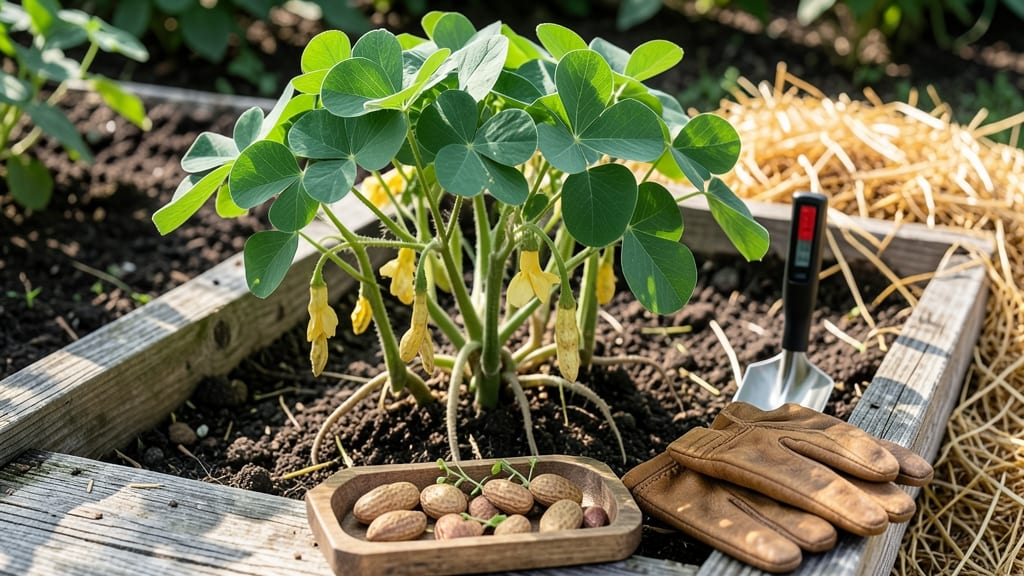
If you're dreaming of growing your own peanuts in Mississippi, timing your planting could mean the difference between a bumper crop and wasted effort.
The state's unique soil heat zones—especially in USDA Zone 8a—dictate when to plant peanuts for optimal growth, and getting it wrong can leave you with stunted plants or even total failure.
Most gardeners in Mississippi know the general window is April 15 to June 15, but the real secret lies in soil temperature. Peanuts need warm soil—at least 68°F—to sprout properly, and coastal areas often hit that mark weeks earlier than the Delta or northern regions.
Without this knowledge, you might plant too soon and risk frost damage or too late and miss peak harvest season.
In this guide, I’ll break down the exact planting months for each of Mississippi’s soil heat zones, plus the 3 critical steps to prepare your soil and maximize your yield.
Whether you're a first-time gardener or a seasoned farmer, these insights will help you avoid common mistakes and grow peanuts like a pro.
Ready to turn your garden into a peanut powerhouse? Let’s dive into the science behind Mississippi’s perfect planting windows—and how to adjust for your specific location.
Mississippi soil heat zones: how temperature determines peanut planting months
Mississippi’s peanut-growing success hinges on soil temperature, not just air temperature. Peanuts thrive when soil reaches 68°F (20°C) at a depth of 4 inches—this is your planting trigger. The state’s three distinct soil heat zones dictate exact planting windows to avoid frost damage or stunted growth.
In Zone 1 (Coastal Mississippi), warmer soils mean you can plant as early as mid-April. Meanwhile, Zone 3 (North Mississippi) farmers often wait until late May. Understanding these zones helps you align planting with your local microclimate for optimal yields.
Here’s how soil heat zones break down for Mississippi peanut growers:
| Zone | Region | Soil Temp Threshold | Planting Window | Key Consideration |
|---|---|---|---|---|
| Zone 1 | Coastal (e.g., Biloxi, Gulfport) | 68°F+ by April 15 | Mid-April to early May | Warmer soils, but watch for late frosts |
| Zone 2 | Delta (e.g., Greenville, Clarksdale) | 68°F+ by May 1 | Late April to mid-May | Balanced heat, ideal for most varieties |
| Zone 3 | North (e.g., Tupelo, Oxford) | 68°F+ by May 15 | Late May to early June | Cooler soils, prioritize late-maturing varieties |
Use a soil thermometer to verify temperatures before planting—this simple tool prevents costly delays. For example, in Zone 3, waiting until late May ensures your Virginia-type peanuts have enough heat to mature before frost.
Mississippi’s USDA Zone 8a classification is a starting point, but soil heat zones offer a more precise guide. For instance, Spanish peanuts in Zone 1 can be planted 2-3 weeks earlier than in Zone 3 without risking frost damage.
Pro tip: Check the Mississippi State University Extension for weekly soil temperature updates. Their Peanut Production Guide includes heat zone maps tailored to your county, ensuring you plant at the perfect time for your specific microclimate.
Even within a single county, soil heat can vary by 1-2 weeks due to elevation or proximity to water bodies. For example, areas near the Yazoo River may warm up faster than higher-ground fields. Always test multiple spots in your garden.
If you’re unsure about your zone, observe local azalea blooms—when they finish flowering, it’s typically safe to plant peanuts in Zone 2 and 3. This natural indicator aligns with soil warming trends in Mississippi.
Remember: Peanuts need 120-150 frost-free days to mature. Planting too early in Zone 3 risks immature harvests, while delaying in Zone 1 might miss peak soil warmth. Balance is key!
Step-by-step guide: when to plant peanuts in Mississippi by variety
Mississippi growers have three main peanut varieties to choose from—Virginia, Runner, and Spanish—each with its own ideal planting window. I’ve planted all three and found that timing varies by maturity and soil heat needs.
For example, Virginia types need a longer growing season, while Spanish varieties mature faster.
No matter the variety, always wait until the soil temperature reaches 68°F (20°C) at a 4-inch depth. Use a soil thermometer to check—this is non-negotiable for good germination.
I test my soil in early May, and if it’s below 68°F, I wait another week or two rather than risk poor stands.
For Virginia-type peanuts (like NC 10C or Virginia Bunch), plant between mid-May and early June. These varieties need 130-150 days to mature, so late plantings risk harvest delays from early fall frosts. I’ve seen great success with late May plantings in North Mississippi’s cooler areas.
🌱 Numbered Highlights: Mississippi Peanut Planting by Variety
- 1. Virginia Types: Plant mid-May to early June for 130-150 day maturity. Best for North Mississippi (Zone 3).
- 2. Runner Types: Plant late April to mid-May for 110-130 day maturity. Ideal for Delta region (Zone 2).
- 3. Spanish Types: Plant early May to late May for 90-110 day maturity. Perfect for Coastal areas (Zone 1).
- All Varieties: Sow seeds 1.5-2 inches deep in well-drained soil with pH 6.0-6.5.
- Spacing Tip: Plant seeds 3-4 inches apart in rows 30-36 inches apart for proper airflow.
If you’re growing Runner-type peanuts (like Georgia Red or Southern Runner), plant them 4-6 weeks earlier than Virginia types—between late April and mid-May. These varieties mature in 110-130 days and thrive in Mississippi’s Delta region, where soil warms faster.
I’ve had the best luck with early May plantings in this zone.
Spanish-type peanuts (like Early Spanish or Florunner) are the fastest maturing and work well for Coastal Mississippi’s Zone 1. Plant these between early May and late May for a 90-110 day harvest window. Their quick maturity makes them ideal for short-season areas or for gardeners who want an early harvest.
After planting, maintain consistent soil moisture for the first 4-6 weeks—this is critical for root establishment. I use drip irrigation to avoid wetting the foliage, which reduces disease risk. Once vines emerge, thin seedlings to 3-4 inches apart to prevent overcrowding and improve pod development.
Remember, peanuts need heat to produce pods, so avoid planting too early—even if the air feels warm, the soil may still be cool. I’ve learned this the hard way with late April plantings that resulted in poor germination. Always check that soil temperature before you plant!