
Plants
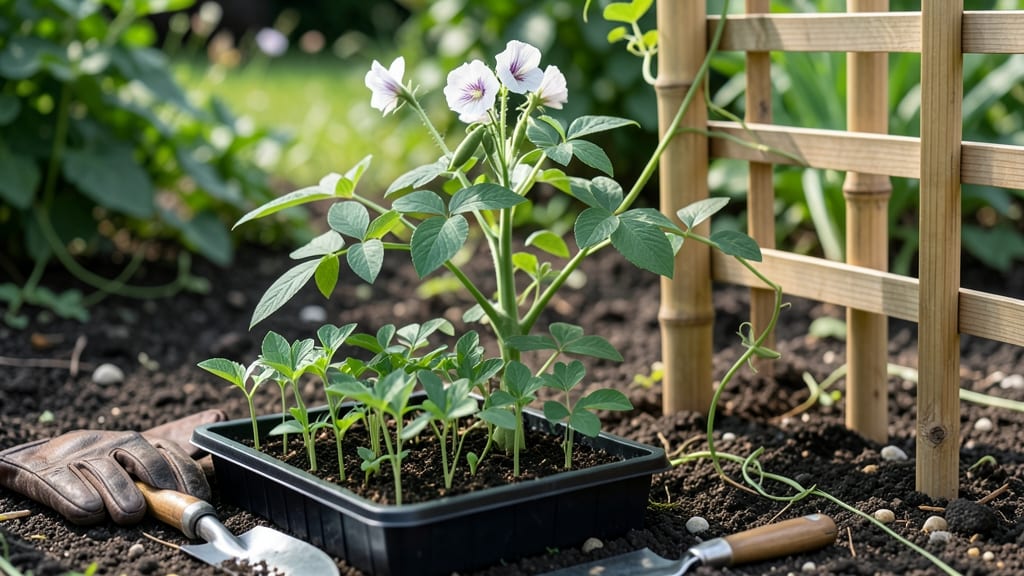
Timing your pea planting in New Hampshire can feel like solving a puzzle—one wrong move, and you risk losing your entire crop to frost. But here's the good news: with the right strategy, you can enjoy sweet, homegrown peas twice a year, even in zones 5a-6b.
The secret lies in understanding your local frost dates and planting at the perfect moment.
Peas are one of the first vegetables you can plant in spring, often as soon as the soil is workable—sometimes even in late winter with protection. In New Hampshire, that usually means March or early April, but don’t just guess.
The key is knowing when to start seeds indoors or directly in the ground for the best yields before the last frost hits.
You might think planting once in spring is enough, but savvy gardeners know a second planting in late summer can give you a fall harvest. With just 8-10 weeks before frost, you can extend your growing season and enjoy fresh peas well into October.
Let’s break down the exact timing and pro tips to make your pea garden thrive.
Whether you're a first-time gardener or a seasoned pro, getting the timing right means fewer missed opportunities and more delicious pods on your plate. Ready to learn how to maximize your pea harvest in New Hampshire? Let’s get started.
New Hampshire pea planting timeline by frost dates
Timing your pea planting in New Hampshire hinges on understanding USDA zones 5a-6b and the state’s average last frost dates. Most regions experience their final frost between mid-April and early May, but microclimates in the White Mountains can delay this by 1-2 weeks.
For consistent harvests, aim to plant peas 4-6 weeks before your last frost—typically in late March to early April.
Peas are one of the first cool-season crops you can sow, often as soon as the soil is workable (around 40°F).
In southern NH (like Portsmouth), this might mean planting in early March, while northern areas (like Concord or White Mountains) should wait until mid-to-late April. Always check your local Almanac frost predictions for the most accurate timing each year.
For a second harvest, consider a late summer planting about 8-10 weeks before your first frost (usually early August). This extends your harvest into fall when temperatures cool again. However, this works best in warmer microclimates like coastal areas.
| Planting Window | USDA Zone 5a | USDA Zone 6b | Notes |
|---|---|---|---|
| Early Spring (Cold Frame) | Late February | Early March | Use row covers for frost protection |
| Main Planting (Outdoor) | Mid-April | Early April | Soil temp should be 40°F+ |
| Succession Planting | Every 2 weeks until May | Every 2 weeks until May | Extends harvest season |
| Fall Planting | Early August | Late July | For cooler fall harvests |
If you’re planting in containers or cold frames, you can start peas even earlier—in late February. These protected environments let you beat the competition for space and give you a 3-4 week head start on garden peas.
Just ensure your cold frame has ventilation to prevent overheating once temperatures rise.
For direct-sown peas, aim to have seeds in the ground by April 15th in most of NH. This timing ensures they’ll be established before late spring frosts and ready to harvest by late May to June.
If you miss this window, don’t despair—peas can tolerate light frosts, so a late April planting can still succeed with proper protection.
Pro tip: Use a pea trellis to save space and improve air circulation. This reduces disease risk and makes harvesting easier. Install trellises as soon as you plant—peas have tender stems and need support early to avoid lodging.
Monitor your garden’s microclimates. South-facing slopes warm up faster and may allow earlier planting, while low-lying areas can stay colder longer. A 5-10°F difference can mean the difference between a successful early planting and a failed one.
Always test your soil temperature with a soil thermometer before planting. Peas germinate best when soil temps are between 40-75°F. If your soil is colder, wait a few days or use a black plastic mulch to warm it up faster.
How to adjust pea planting for NH’s unpredictable weather
New Hampshire’s unpredictable frost dates and sudden temperature swings can throw off even the most experienced gardener’s pea planting plans. But with the right strategies, you can extend your growing season and protect tender seedlings from late frosts.
The key is combining cold-hardy varieties, seasonal adjustments, and smart microclimate management.
First, check your local frost dates—they vary by region. Coastal areas like Portsmouth may have earlier last frosts (mid-April), while inland spots like the White Mountains can experience frost into early May.
Use these dates as your starting point, but always be ready to adjust your timeline based on real-time weather forecasts.
🌱
I’ve learned the hard way that succession planting is your best friend in NH. Instead of one big planting, try two staggered plantings: the first in early April (as soon as soil is workable) and a second in mid-May after the last frost. This spreads out your harvest and reduces risk if one batch fails.
For late winter starts, use a cold frame or unheated greenhouse. I’ve had success sowing peas in February under protection—just remove the cover when daytime temps hit 50°F consistently. This gives you a head start on the season and often results in earlier harvests.
Don’t forget to watch for microclimates—your garden isn’t uniform! Areas near stone walls, fences, or buildings stay warmer at night. I planted a test row near my garage last year and harvested 10 days earlier than my open garden section. It’s worth mapping your garden’s heat zones!
Finally, keep a planting journal to track what works. Note your first frost date, soil temps, and harvest windows each year. Over time, you’ll spot patterns and refine your strategy.
Last year, my second planting in late May produced pods until early October—proof that NH’s short season can still deliver!