
Trees
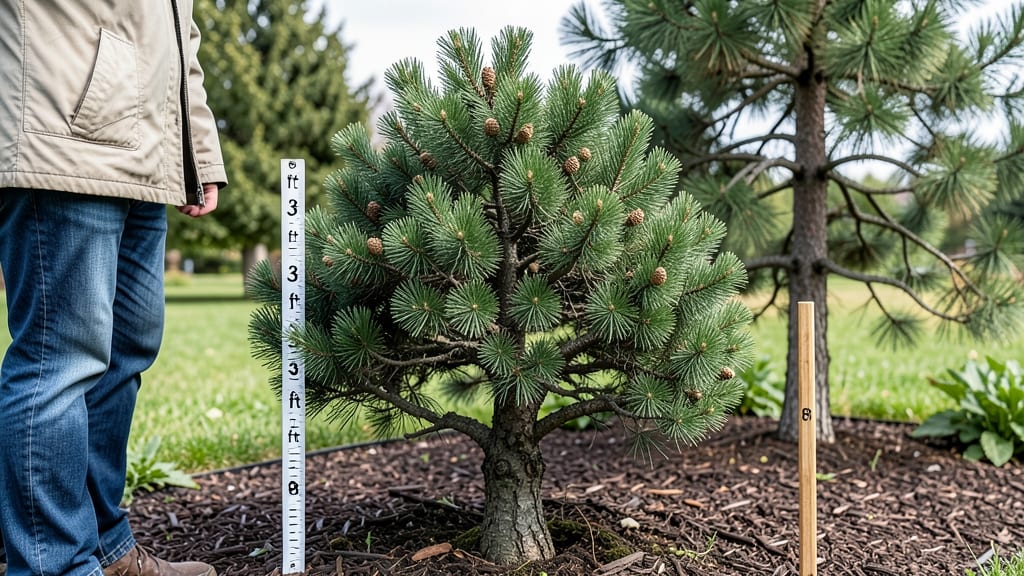
If you're dreaming of adding a touch of evergreen elegance to your yard without committing to a towering giant, how tall do dwarf pine trees grow is the first question you need answered.
These compact beauties—like the adorable 🌲 Pinus mugo—can stay as short as 2 feet or stretch up to 8 feet at maturity, making them perfect for small spaces, containers, or even as striking focal points.
The key to getting the right size lies in choosing the variety and giving it the proper care. Some dwarf pines grow just 1-3 feet tall, ideal for rock gardens or window boxes, while others reach 6-8 feet—still a fraction of their full-sized cousins.
Whether you're in USDA Zone 6a or another climate, selecting the right type and planting in spring (April-May) sets the stage for years of low-maintenance beauty.
But here's the thing: even the smallest dwarf pine can outgrow its welcome if you don't plan ahead. Proper spacing, pruning, and soil conditions play a huge role in keeping them at your desired height.
I’ll walk you through everything you need to know—from spacing recommendations to pruning tips—to ensure your dwarf pine stays the perfect size for your landscape.
Ready to transform your outdoor space with these space-saving evergreens? Let’s dive into the varieties, care tips, and secrets to keeping your dwarf pines looking their best for years to come.

Dwarf pine tree height guide: mature sizes by popular varieties
When planning your garden, knowing the exact mature height of dwarf pine trees is essential to avoid overcrowding or underutilized space. These compact evergreens typically reach heights between 1 to 8 feet, making them ideal for small yards, containers, and even rock gardens.
However, the exact height varies significantly by species and growing conditions, so let’s break down the most popular varieties to help you choose the perfect fit.
For example, the Mugo pine (Pinus mugo) is one of the most popular dwarf pines, with mature heights ranging from 3 to 6 feet depending on the cultivar.
Other varieties, like the Swiss mountain pine (Pinus pumilio), can grow slightly taller—up to 8 feet—but still remain well within the "dwarf" category. Understanding these differences ensures you select a pine that thrives in your space without outgrowing its welcome.
Below, I’ve compiled a summary table of the most sought-after dwarf pine varieties, their mature heights, and key care requirements to help you plan with confidence.
As you can see, the Dwarf Alberta Spruce stays the smallest at just 1–3 feet, making it perfect for container gardening or as a focal point in rock gardens.
On the other hand, the Swiss Mountain Pine can reach up to 8 feet, so it’s better suited for larger landscapes or as a backdrop for smaller plants. Always check the spacing recommendations to ensure your dwarf pines have room to grow without competing for nutrients or sunlight.
Another critical factor influencing height is the growth rate. Slow-growing varieties like the Dwarf Alberta Spruce may take decades to reach their mature height, while faster growers like the Mugo Pine can add a few inches each year.
If you’re impatient for greenery, opt for a variety with a moderate growth rate to see noticeable changes within a few years.
For sunlight needs, all dwarf pines thrive in full sun (6+ hours daily), but some, like the Dwarf Alberta Spruce, tolerate partial shade. If your garden is shadier, choose a variety labeled as sun-tolerant to avoid stunted growth or yellowing needles.
Always plant in well-draining soil to prevent root rot, which can stress the tree and lead to slower growth or even death.
Pro tip: If you’re unsure about spacing, err on the side of giving your dwarf pines a little extra room. Overcrowding can lead to competition for resources, causing slower growth or poor health.
For example, plant the Swiss Mountain Pine at least 5 feet apart to allow its branches to spread naturally without rubbing against neighbors.
Finally, consider your climate zone. Most dwarf pines are hardy in USDA Zones 3–7, but some, like the Japanese Black Pine, can handle warmer zones up to Zone 8. Always match the variety to your local conditions to ensure optimal growth and longevity.
With this guide, you’re ready to select the perfect dwarf pine for your space—whether it’s a
How to choose the right dwarf pine for your landscape design
Selecting the perfect dwarf pine for your garden starts with understanding your space and design goals. Whether you have a small urban yard, a container garden, or a landscaping project, the right variety will thrive without overpowering your surroundings.
Let’s break down how to match these trees to your needs.
First, consider your garden’s available space. If you’re working with limited room, opt for varieties like ‘Mops’ mugo pine, which maxes out at just 3-5 feet tall.
For slightly more height, ‘Glauca Globosa’ reaches 4-6 feet—ideal for borders or as focal points in small gardens. Always check mature height labels to avoid surprises.
Next, think about your climate and sunlight exposure. Most dwarf pines thrive in full sun (6+ hours daily), but some, like ‘Pumilio’, tolerate partial shade.
If your yard gets hot afternoon sun, choose varieties with silver-blue needles, like ‘Blue Rug’ juniper, which reflect heat better than dark-green types.
For container gardening, prioritize slow-growing varieties like ‘Little Gem’ (max 6 feet tall) or ‘Sargentii’ (max 5 feet). Use large pots with drainage holes and a well-draining soil mix to prevent root rot. Place containers in south-facing spots for optimal sunlight.
🌲
📌 5 Key Tips for Choosing the Perfect Dwarf Pine
- ✅ Measure your space—check mature heights to avoid overcrowding.
- ✅ Match sunlight needs—most dwarf pines need full sun.
- ✅ Pick slow growers for containers (e.g., ‘Little Gem’).
- ✅ Consider needle color—silver-blue reflects heat better.
- ✅ Group by height—taller varieties (6+ ft) as backdrops, shorter ones (3-5 ft) for edges.
Don’t forget about companion plants! Pair dwarf pines with low-growing perennials like heuchera or sedum to add texture and color. For a modern look, combine them with ornamental grasses like ‘Karl Foerster’ feathery reed grass.
If you love wildlife-friendly gardens, add native shrubs like serviceberry to attract birds.
Finally, plan for long-term maintenance. Most dwarf pines require minimal pruning, but occasional trimming keeps them shaped and healthy. Use sharp, sterilized shears in late winter or early spring to remove dead branches. Avoid heavy pruning, as it can stress the tree and encourage unwanted growth.
With the right dwarf pine variety and a little planning, you’ll create a low-maintenance, evergreen focal point that fits seamlessly into any garden design. Happy planting! 🌿