
How To
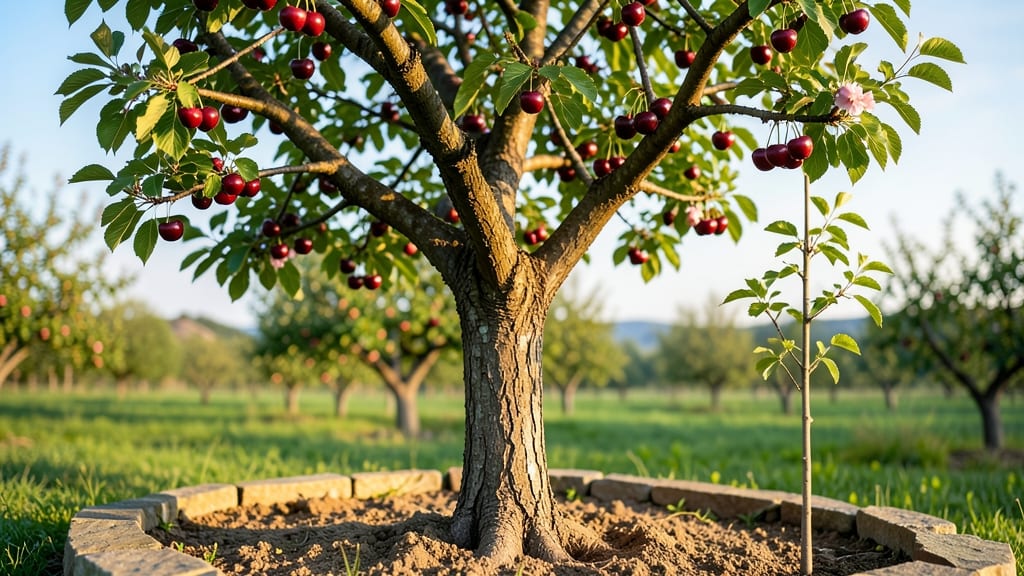
Curious about how tall does cherry tree grow before you commit to planting one? You’re not alone—many home gardeners hesitate because a 🌸 cherry tree can become a stunning (or overwhelming) centerpiece in just a few years.
Standard varieties like Bing or Rainier often reach 20 to 40 feet at maturity, while sour cherries like Montmorency may stay slightly shorter but still tower over most backyards. The good news? Dwarf and semi-dwarf options exist, making them perfect for smaller spaces or containers.
But here’s the catch: height depends on more than just the variety. Rootstock, pruning habits, and even your climate zone (like USDA Zone 6a) play a huge role in how tall your tree will grow.
I’ll break down the key factors so you can pick the perfect size for your garden.
Ready to find out which cherry tree fits your space? Let’s explore the differences between sweet and tart varieties—and how to keep your tree manageable without sacrificing those delicious summer harvests.

Cherry tree height by variety: sweet vs. sour types compared
When planning your backyard orchard, understanding the mature height of cherry trees is crucial—some varieties grow tall enough to shade your entire yard, while others stay manageable for small spaces. Sweet cherries like Bing and Rainier typically reach 25-40 feet, while sour cherries such as Montmorency often max out around 15-20 feet.
The difference comes down to species and rootstock, so let’s break it down by type.
If you’re short on space but still want fresh cherries, dwarf varieties are game-changers. These compact trees stay between 8-12 feet tall, making them perfect for containers or urban yards.
For example, the Stella® sweet cherry is a dwarf variety that tops out at just 6-8 feet, while dwarf sour cherries like Montmorency can reach 10-12 feet.
To visualize these heights, imagine a standard 25-foot cherry tree towering over a basketball hoop (10 feet), while a dwarf variety might only reach the height of a two-story house’s second floor (12 feet). This comparison helps when planning spacing and pruning strategies.
| Variety | Type | Mature Height | Notes |
|---|---|---|---|
| Bing | Sweet | 25-40 ft | Standard size; needs space |
| Rainier | Sweet | 20-30 ft | Slightly shorter than Bing |
| Montmorency | Sour | 15-20 ft | Compact; great for small yards |
| Stella® | Sweet (Dwarf) | 6-8 ft | Container-friendly; low maintenance |
| Balaton | Sour | 12-15 ft | Self-pollinating; smaller size |
Sweet cherries, like the popular Bing and Rainier varieties, are known for their taller stature, often reaching 25-40 feet at maturity. These trees require ample space and regular pruning to manage their size, but their reward is juicy, flavorful fruit perfect for pies and snacks.
If you’re growing them in your yard, plan for at least 20 feet of clearance from structures and other plants.
On the other hand, sour cherries such as Montmorency are more compact, typically growing 15-20 feet tall. They’re also self-pollinating, meaning you only need one tree for a harvest.
This makes them ideal for smaller gardens or even large containers. Their tart flavor is perfect for sauces, jams, and cocktails.
For urban gardeners or those with limited space, dwarf varieties are the way to go. The Stella® sweet cherry, for example, stays under 8 feet tall and thrives in containers.
Meanwhile, dwarf sour cherries like Montmorency can reach 10-12 feet, making them versatile for patios or small backyards. Just ensure they get full sun and well-draining soil to thrive.
When selecting a cherry tree, consider not just its height but also its growth rate and fruit production. Some varieties, like Lapins, grow quickly but may need staking in their early years. Others, like Black Republican, are slower-growing but produce large, sweet cherries worth the wait.
If you’re unsure which variety to choose, start with a semi-dwarf option like Sweetheart, which grows 12-18 feet tall and offers a balance between manageable size and abundant fruit. Always check the rootstock type when purchasing, as this significantly impacts height and vigor.
Remember, the height of your cherry tree isn’t set in stone—pruning and training can influence its final size. Regular pruning in late winter or early spring helps control growth and improves air circulation, reducing the risk of disease.
For dwarf varieties, pruning is even more critical to maintain their compact shape.
No matter which variety you choose, planting a cherry tree is a long-term investment that will reward you with shade, beauty, and delicious fruit for decades. Just
Cherry tree height by variety: sweet vs. sour types compared
Cherry trees come in stunning varieties, but their mature heights can vary dramatically—from 8-foot dwarf varieties to towering 40-foot giants. Sweet cherries like Bing and Rainier typically reach 20-30 feet, while sour cherries such as Montmorency often max out around 15-20 feet.
Your choice of variety will directly impact your garden’s layout and long-term maintenance.
If you’re working with limited space, dwarf cherry trees are a game-changer. These compact varieties—like Stella® or Compact Stella®—stay under 8-12 feet tall and thrive in containers or small yards. Even semi-dwarf varieties (12-18 feet) offer a balance between manageable size and abundant fruit production.
For comparison, imagine a standard Bing cherry tree reaching the height of a two-story house (about 25-30 feet). In contrast, a Montmorency sour cherry might only grow to the height of a garden shed (around 15 feet). These differences matter when planning spacing, pruning, and even future harvests.
| Variety | Type | Mature Height | Best For |
|---|---|---|---|
| Bing | Sweet | 20-30 ft | Large yards, orchards |
| Rainier | Sweet | 25-35 ft | Spacious backyards |
| Montmorency | Sour | 15-20 ft | Small gardens, containers |
| Stella® | Sweet (Dwarf) | 8-12 ft | Urban yards, patios |
| Compact Stella® | Sweet (Dwarf) | 6-8 ft | Containers, balconies |
Sweet cherries generally grow taller than sour varieties, but rootstock type plays a huge role in final height. For example, a Bing cherry grafted onto Colt rootstock will dwarf one grown on Mahaleb rootstock.
This means you can grow a 20-foot tree in the space where a standard variety would reach 35 feet.
When selecting a cherry tree, consider your garden’s sunlight and available space. Dwarf varieties need at least 6 feet of clearance from structures, while standard trees require 20-30 feet of open space. Always check the mature height label before purchasing to avoid future headaches.
Pro tip: If you love cherries but lack space, semi-dwarf varieties (like Lapins®) offer a happy medium—12-18 feet tall—with manageable pruning needs. These trees produce abundant fruit while fitting neatly into medium-sized yards.