
Trees
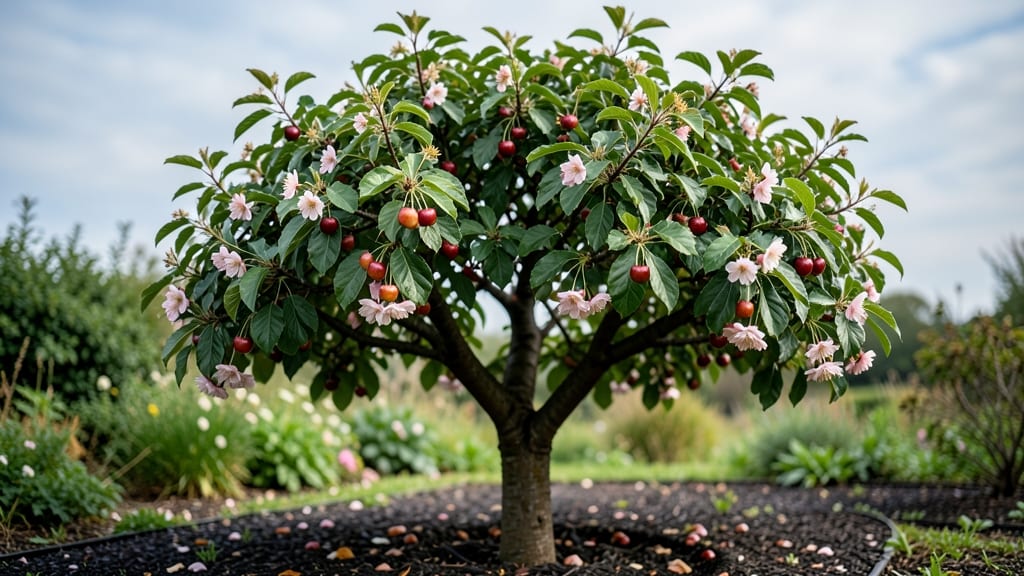
Wondering how tall do Rainier cherry trees grow before they become a backyard space hog? These sweet-tart fruit producers typically reach 15–25 feet at maturity, making them a perfect medium-sized tree for home orchards—but their growth habits and spacing needs deserve closer attention.
If you're planning your garden layout, knowing the Rainier cherry tree 🍒's mature height helps you avoid overcrowding while ensuring plenty of shade and fruit. Standard varieties can tower near 20 feet, while dwarf options stay compact at 8–12 feet, giving you flexibility depending on your yard size.
Proper spacing—usually 12–20 feet between trees—isn’t just about aesthetics; it directly impacts fruit production and airflow. Without enough room, branches compete for sunlight, reducing yields and increasing disease risks. Pruning plays a key role too, as strategic cuts can keep your tree manageable while encouraging healthier growth.
Whether you're a first-time gardener or a seasoned orchard keeper, understanding these growth patterns ensures your Rainier cherry tree thrives without outgrowing its welcome. Let’s break down what you need to know to plant with confidence.

Rainier cherry tree height: mature size and growth rate explained
If you're considering adding a Rainier cherry tree to your landscape, knowing its mature height is crucial for planning. These trees typically reach 15 to 20 feet tall at maturity, making them a medium-sized option perfect for backyards with space.
Unlike some cherry varieties that grow much taller, Rainiers offer a balanced size that fits well in suburban settings.
The growth rate of a Rainier cherry tree is steady but not aggressive. In their first year, you can expect them to grow 2 to 4 feet tall, with each subsequent year adding another 3 to 5 feet.
By year three, they’ll often reach 10 to 12 feet, giving you a good sense of their trajectory early on.
Here’s a quick snapshot of their growth stages to help you visualize their development over time:
| Growth Stage | Height Range | Time to Reach |
|---|---|---|
| First Year | 2–4 ft | 12 months |
| Second Year | 6–8 ft | 24 months |
| Third Year | 10–12 ft | 36 months |
| Mature Size | 15–20 ft | 5–7 years |
For gardeners with limited space, dwarf varieties of Rainier cherry trees are available, typically reaching 8 to 12 feet tall. These are ideal for smaller yards or container planting, though they may produce slightly fewer cherries.
Semi-dwarf varieties, which grow 12 to 18 feet tall, strike a nice middle ground for those who want a balance between size and fruit yield.
One of the most important factors influencing a Rainier cherry tree's height is pruning. Regular pruning not only controls the tree’s size but also improves airflow, reducing the risk of fungal diseases.
If left unpruned, these trees can grow taller than expected, sometimes reaching up to 25 feet, though this is less common in well-maintained gardens.
When planting a Rainier cherry tree, consider its mature height and the space it will occupy. These trees have a spread of about 10 to 15 feet, so ensure there’s enough room for both the height and width.
Planting too close to structures or other trees can lead to overcrowding, which stunts growth and reduces fruit production.
Climate also plays a role in a Rainier cherry tree's growth. They thrive in USDA zones 5 through 8, where they receive full sun exposure and well-draining soil. In colder climates, their growth may slow slightly, but they’ll still reach their mature height over time with proper care.
If you’re growing a Rainier cherry tree in a container, expect its height to be more controlled, but it will still need regular pruning to manage its size. Containers are best suited for dwarf varieties, as standard trees can become top-heavy and unstable in pots.
Understanding the growth rate and mature height of a Rainier cherry tree helps you plan your garden layout effectively. With the right spacing, pruning, and care, you can enjoy a beautiful, productive tree that fits perfectly in your outdoor space.
🍒
Rainier cherry tree height: mature size and growth rate explained
When planning your backyard orchard, knowing how tall Rainier cherry trees grow is crucial for spacing and long-term planning. These trees typically reach a mature height of 15 to 20 feet, though some may grow up to 25 feet under ideal conditions.
Their growth rate is steady but not aggressive, making them a great fit for medium-sized yards.
The first year after planting, your Rainier cherry tree will grow 2 to 4 feet, establishing its root system and trunk. By year two, you’ll see 6 to 8 feet of growth, and within three years, it can reach 10 to 12 feet.
This gradual progression gives you plenty of time to prepare your garden layout.
| Growth Stage | Height Range | Timeframe |
|---|---|---|
| Seedling | 1-2 ft | First Year |
| Young Tree | 6-8 ft | Years 2-3 |
| Mature Tree | 15-25 ft | Years 5+ |
| Dwarf Variety | 8-12 ft | Years 5+ |
If space is limited, consider dwarf Rainier cherry trees, which stay between 8 to 12 feet tall at maturity. These varieties are grafted onto dwarfing rootstock, making them ideal for container growing or smaller yards.
Even standard varieties, however, are more compact than many fruit trees like apples or pears.
Pruning plays a key role in managing height. Regular pruning in late winter or early spring can keep your tree at a desired height while promoting a bushier shape and better fruit production.
Just avoid heavy pruning in the fall, as this can stimulate new growth that won’t harden off before winter.
Rainier cherry trees thrive in USDA zones 5 through 8, where they receive full sun exposure (6+ hours daily). In warmer climates, they may grow slightly taller, while cooler zones might see slightly slower growth. Always plant in well-draining soil to prevent root rot, which can stunt growth.
For the best results, pair your Rainier cherry tree with a pollination partner, like Bing or Stella cherries, since they require cross-pollination for fruit set. With proper care, your tree will reward you with juicy, sweet-tart cherries for decades—all while staying within your garden’s height limits! 🍒