
Plants
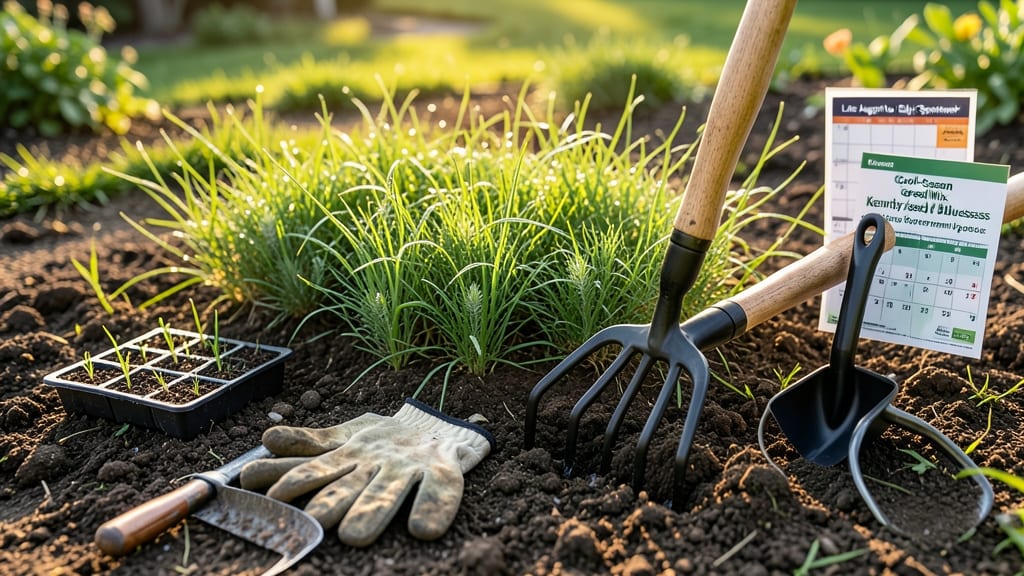
Timing your Grass (Lawn) 🌱 planting in Maine isn’t just about checking a calendar—it’s about reading the soil’s secret signals. One wrong move, and frost can turn your fresh seeds into a sad, icy memory before they even sprout.
The key? Knowing when the ground warms to 50°F and how Maine’s tricky microclimates shift those dates by weeks.
You’ve got two safe windows—early spring (April-May) or early fall (August-September)—but here’s the catch: Coastal areas like Portland might be ready 3 weeks earlier than inland spots like Bangor. That’s why local gardeners swear by soil thermometers and the “7-day forecast rule” to avoid frost surprises.
In this guide, I’ll break down exactly when to plant in your USDA Zone 5b-6a area, plus cold-hardy grass varieties that thrive despite Maine’s short summer. No more guesswork—just a lush lawn that starts strong and stays resilient.
Ready to plant with confidence? Let’s dive into the soil temperature tricks and microclimate hacks that’ll make your grass grow like it’s mid-July all season long.
Maine’s ideal grass planting window: soil temperature rules for zero frost risk
Planting grass in Maine isn’t just about the calendar—it’s about soil temperature. The magic number is 50°F (10°C), when seeds germinate reliably. Most of the state hits this mark between late April and early May, but timing varies wildly by region.
In Southern Maine, you might start as early as mid-April, while Northern Maine or high-altitude areas like the White Mountains could wait until early June.
Why? Because frost risk isn’t just about air temperature—it’s about soil warmth. Cold soil can kill new grass roots even if daytime temps are mild.
Use a soil thermometer to confirm readiness. If your soil hasn’t reached 50°F at 4-inch depth, wait. Patience here prevents seed rot and wasted effort.
For fall planting, aim for 4-6 weeks before the first frost, typically late August to early September. This gives grass time to establish roots before winter. But watch for early frost warnings—if a hard freeze is predicted within 7 days, delay planting.
Fall is riskier in USDA Zone 4 areas (like Aroostook County), where frost can arrive as early as mid-September.
| Region | Spring Planting Window | Soil Temp Threshold | Fall Planting Window |
|---|---|---|---|
| Southern Maine (Portland, Kittery) | Mid-April to early May | 50°F (10°C) | Late August to mid-September |
| Central Maine (Augusta, Waterville) | Late April to early May | 50°F (10°C) | Early August to early September |
| Northern Maine (Bangor, Presque Isle) | Early May to early June | 50°F (10°C) | Mid-August to late August |
| High Altitude (White Mountains) | Late May to early June | 50°F (10°C) | Early August (limited window) |
Maine’s USDA Zones 4-5 mean you’re playing with a shorter growing season. To maximize success, choose cold-hardy grass varieties like ‘NorthStar’ tall fescue or ‘Midnight’ Kentucky bluegrass, which tolerate 20°F temperatures.
These varieties can handle late spring frosts better than tender southern blends. Always check the seed packet for cold tolerance ratings—it’s your best insurance against frost damage.
Pro tip: If your soil is too cold but you’re eager to plant, try black plastic mulch or row covers to warm the soil by 5-10°F. Lay the plastic down 1-2 weeks before planting to create a microclimate.
Just remove it after seeding to avoid overheating. This trick can shave 10-14 days off your planting timeline in chilly zones.
Don’t ignore local frost data. The National Weather Service and Maine Climate Office provide historical frost dates for your specific town. For example, Bar Harbor averages a last frost by May 10, while Caribou might not see its last frost until June 5.
Use these dates as your outer limit, but always confirm with a soil thermometer—it’s the only foolproof method.
One common mistake? Planting too early because the air feels warm. Soil temperature lags behind air temperature, sometimes by weeks. In 2023, Portland saw 70°F air temps in April, but soil stayed below 50°F until May 1.
Seeds planted in cold soil won’t germinate—they’ll just rot. Always prioritize soil warmth over air warmth.
For fall planting, the window closes fast. In Southern Maine, you might get 6 weeks of safe planting, but in Northern Maine, it’s often just 3 weeks.
Use the ‘7-day forecast rule’: If no hard freeze (28°F or below) is predicted within 7 days, it’s safe to plant. Check the NOAA forecast or local agricultural extensions for updates.
Remember, Maine’s microclimates can shift frost dates by 2-
Microclimate hacks: how Maine’s coastal vs. inland zones change your planting timeline
Maine’s coastal and inland regions can feel like two different climates—sometimes just 20 miles apart. Coastal areas like Portland or Bar Harbor enjoy milder winters and earlier springs, while inland zones (think Augusta or the White Mountains) cling to frost longer.
This means your grass planting window could shift by 2-3 weeks depending on where you live.
For coastal Maine, aim to plant grass seed 2-3 weeks earlier than inland areas—typically late April to early May. The Gulf of Maine moderates temperatures, allowing soil to warm faster. In contrast, inland regions should wait until mid-May or even early June to avoid late frost damage.
Even within the same town, a hilltop vs. valley can create a microclimate with a 10°F difference.
Proximity to lakes or rivers also plays a role. Areas near Moosehead Lake or the Androscoggin River may experience delayed warming due to cold air pooling. Use a soil thermometer to confirm 50°F soil temps—this is your green light to plant, regardless of the calendar date.
Coastal gardeners can often start 2 weeks sooner than inland neighbors, but never skip soil testing.
If you’re unsure about your local microclimate, check the USDA Plant Hardiness Zone Map for your exact location. Maine spans Zones 4-5, but even within these zones, elevation changes everything.
For example, Acadia National Park (Zone 5) can feel like Zone 4 if you’re near the summits. Always cross-reference with local frost date records from the National Weather Service.
For coastal gardeners, embrace the earlier window—plant cool-season grasses like Kentucky bluegrass or fine fescue as soon as soil is workable. Inland growers should prioritize warm-season grasses like tall fescue or perennial ryegrass, which handle late frosts better.
Pro tip: Mix cool-season and warm-season varieties for a longer green-up period.
Remember, Maine’s microclimates aren’t just about frost—they’re about soil moisture, wind exposure, and even salt spray near the coast. Adjust your watering schedule and fertilizer timing accordingly.
Coastal lawns may need less water due to higher humidity, while inland areas might require more frequent irrigation during dry spells.