
Plants
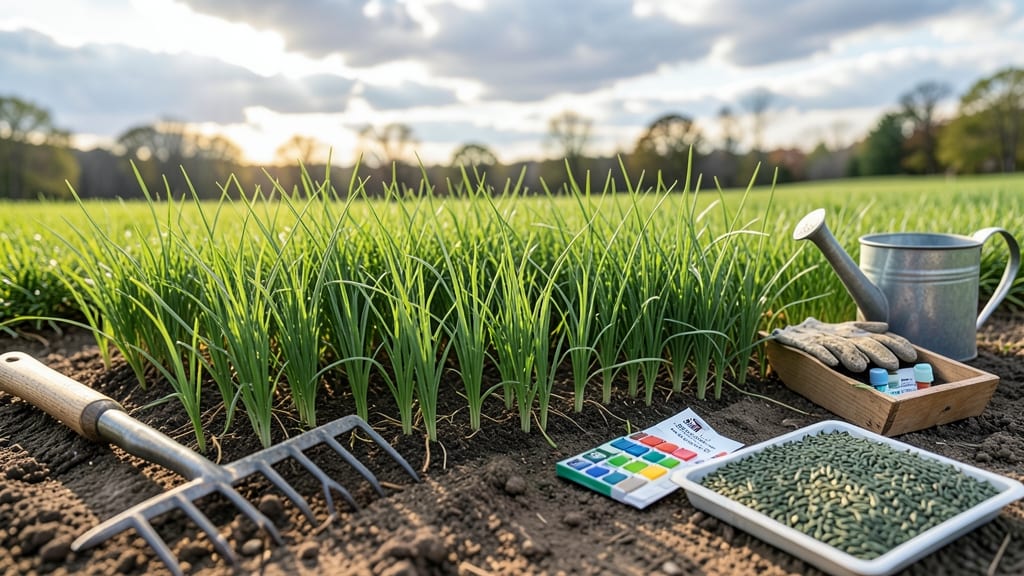
Timing your grass seed planting in Northern Virginia’s USDA Zone 7b can make or break your lawn’s success—especially with our unpredictable spring rains and scorching summer heat.
If you plant too early, frost will kill your tender seeds; too late, and weeds will steal your space before your grass even gets a chance to sprout.
Most gardeners in this region swear by early fall (September-October) as the sweet spot, when soil stays warm but temperatures cool just enough to avoid stress. But spring (March-April) works too, if you act fast before the last frost hits around mid-March.
The key is understanding how your local microclimate—whether you’re in the Piedmont or Shenandoah Valley—affects germination timing.
I’ve planted grass seed in Northern Virginia for years, and I’ll share the exact frost-free deadlines you need to avoid common mistakes. We’ll cover soil prep, watering schedules, and even how to tell if you’ve missed the window.
By the end, you’ll know precisely when to grab that seed bag and get to work—without wasting money on a failed lawn.
Ready to transform your patchy yard into a thick, green carpet? Let’s dive into the perfect planting schedule for your Northern Virginia climate, so you can enjoy your lawn all season long.
Northern VA grass seed planting deadlines by season (Zone 7b guide)
Northern Virginia’s USDA Zone 7b climate—with its hot summers and mild winters—creates a unique window for planting cool-season grasses like tall fescue and Kentucky bluegrass.
The best time to plant grass seed in this region is during early fall (September–October) or early spring (March–April), when soil temperatures are ideal for germination and weeds are less competitive.
For warm-season grasses like Bermuda or Zoysia, late spring (after the last frost, around mid-May) is your only shot. Planting outside these windows risks poor germination due to extreme heat, drought, or frost.
Northern VA’s last frost date typically falls on March 15, while the first frost arrives around November 15—plan your schedule accordingly.
🌱 Northern VA Grass Seed Planting Deadlines
| Season | Best Planting Window | Soil Temp (°F) | Key Considerations |
|---|---|---|---|
| Early Spring | March–April | 50–65°F | Avoid planting before last frost; weeds are dormant. |
| Early Fall | September–October | 60–75°F | Ideal for cool-season grasses; fewer pests and weeds. |
| Late Spring | Mid-May (warm-season only) | 70–85°F | Best for Bermuda/Zoysia; high heat stress risk. |
If you’re planting cool-season grasses, aim for September 1–October 15 to give your lawn time to establish before winter. Soil temperatures in this window hover around 60–75°F, perfect for germination.
For warm-season grasses, wait until after the last frost (usually mid-May) to avoid heat shock to new seedlings.
Northern VA’s humidity and clay-heavy soils can delay germination if planted too late in the season. Always check a 7-day forecast for rain—consistent moisture is critical for the first 2 weeks. If you miss the ideal window, late August or November can work in a pinch, but expect slower growth.
Pro tip: Use a soil thermometer to confirm temperatures. Cool-season grasses need 50–65°F soil, while warm-season varieties thrive in 70–85°F. If your soil is too cold or hot, germination will stall, wasting your seed investment.
Another critical factor is weed competition. Planting in early fall or spring means weeds are less aggressive, giving your grass a fighting chance. If you plant in late summer, pre-emergent herbicides can help suppress weeds—but apply them 4–6 weeks before seeding.
For overseeding existing lawns, early fall is ideal. The cooler temps and higher humidity reduce stress on your grass while new seeds germinate. If you’re establishing a new lawn, both spring and fall work, but fall often yields better results due to fewer pests and consistent rainfall.
One common mistake in Northern VA is planting too early in spring before the soil warms up. If you plant in February or early March, the cold soil can delay germination by weeks. Similarly, planting too late in fall (after November) risks frost damage before roots establish.
To maximize success, test your soil’s pH and nutrient levels before planting. Northern VA’s soils often need lime to raise pH or compost to improve drainage. Aim for a pH of 6.0–7.0 for most grass types. Adjusting your soil now will pay off with faster, healthier growth.
Finally, choose the right grass seed blend for your yard’s sun exposure. Tall fescue thrives in full sun to partial shade, while Kentucky bluegrass needs full sun. Mixing varieties can create a denser, pest-resistant lawn—just follow the package’s planting rate for best results.
Northern VA grass seed planting deadlines by season (Zone 7b guide)
Northern Virginia’s USDA Zone 7b climate—with its hot summers and mild winters—creates two perfect windows for planting cool-season grasses like tall fescue or Kentucky bluegrass. The key is planting 4-6 weeks before the first expected frost (mid-November) or 2-3 weeks after the last frost (mid-March).
Timing this right ensures your grass establishes strong roots before extreme heat or cold sets in.
For warm-season grasses like Bermuda or Zoysia, the window narrows to late spring (May-June) when soil temperatures consistently stay above 65°F. Planting too early risks seed rot from lingering cool soils, while waiting too late means summer drought stress.
Northern VA’s clay-heavy soils also need extra attention—moisture retention is critical during these transition periods.
| Season | Best Planting Window | Soil Temp Requirement | Key Consideration |
|---|---|---|---|
| Early Fall | Late August - Early October | 50-65°F | Avoids summer heat stress |
| Early Spring | Mid-March - Mid-April | 50-65°F | Post-frost, pre-summer drought |
| Late Spring | May - June | 65°F+ (warm-season only) | Risk of summer drought |
| Avoid | July - August | N/A | Extreme heat and drought |
If you miss the ideal windows, late summer (August) can work for cool-season grasses, but expect slower germination due to rising temperatures. Always check a 7-day forecast for rain—dry spells during germination can kill new seedlings.
For Northern VA’s Piedmont region, aim for September 15 as your fall cutoff, while Shenandoah Valley areas can extend slightly later due to cooler microclimates.
Pro tip: Use a soil thermometer to confirm temperatures. Cool-season grasses need 50-65°F soils, while warm-season varieties thrive at 65°F+. If your soil runs cooler (common in shaded areas), wait 1-2 weeks longer. Overwatering during germination is another common mistake—keep soil consistently moist but not soggy.
For overseeding existing lawns, follow the same fall window but reduce seed rates by 25%. Northern VA’s humidity and clay soils can lead to fungal issues, so avoid planting when rainfall exceeds 1 inch/week during germination. A light mulch of straw can help retain moisture while preventing crusting.
Remember: Cool-season grasses (like fescue) dominate Northern VA lawns because they stay green year-round, while warm-season types go dormant in winter. If you’re unsure which to plant, tall fescue is the safest bet for Zone 7b’s climate extremes.
Start with a soil test to check pH (ideal: 6.0-7.0) before planting—this step alone can double your success rate.