
Plants
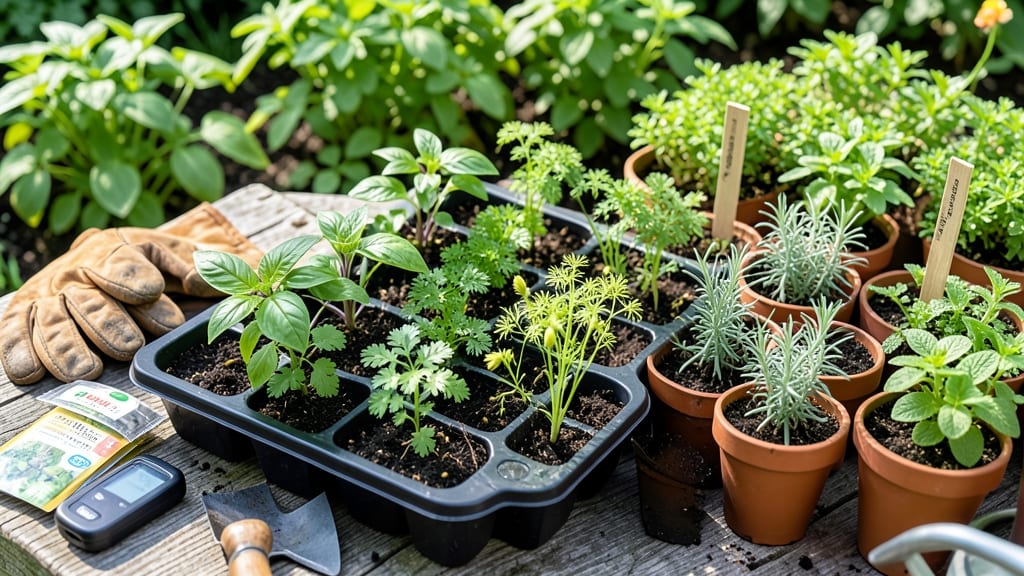
Best planting times for herbs in Zone 9b: month-by-month heat-resistant schedule
Zone 9b’s year-round growing season means you can plant herbs almost anytime—but timing still matters. The key is avoiding mid-summer heat stress (June-August) and winter chill sensitivity (December-February for tender varieties).
For heat-resistant herbs like rosemary and thyme, fall and winter are ideal, while cooler-season herbs like cilantro thrive in late summer and spring.
Unlike cooler climates, Zone 9b’s 365 frost-free days let you grow herbs continuously. However, temperature swings (hot days, cool nights) and intense sunlight require strategic planting.
Start with seedlings or transplants in September-October to establish roots before summer’s peak heat, or sow directly in winter’s mild conditions for a spring harvest.
Here’s your month-by-month guide to planting herbs in Zone 9b, optimized for heat tolerance and year-round productivity:
| Month | Best Herbs to Plant | Planting Method | Key Tips |
|---|---|---|---|
| August | Cilantro, Parsley, Dill | Direct sow or transplant | Use shade cloth; bolt-resistant varieties |
| September | Basil, Oregano, Thyme | Transplant seedlings | Water deeply; mulch to retain moisture |
| October-November | Rosemary, Sage, Lemongrass | Direct sow or transplant | Well-draining soil; full sun |
| December-February | Cilantro, Mint, Chives | Direct sow | Protect from light frosts; harvest before bolting |
| March-April | Basil, Chives, Parsley | Transplant or sow | Avoid midday sun; shade cloth optional |
| May-June | Rosemary, Oregano, Thyme | Transplant established plants | Deep watering; mulch heavily |
For year-round harvests, stagger plantings every 4-6 weeks. For example, sow cilantro in August for fall harvests, then again in December for spring. Heat-loving herbs like rosemary and oregano thrive when planted in late summer or early fall, giving them time to establish before summer’s peak.
Pro tip: Use shade cloth (30-50%) during June-August to protect tender herbs like basil from bolting. This extends their harvest window by 3-4 weeks compared to unprotected plants.
Container gardening is ideal for Zone 9b’s heat. Terracotta pots wick away moisture, preventing root rot, while self-watering planters keep herbs hydrated during 100°F+ days. Place containers in morning sun to avoid scorching leaves.
Remember: Soil temperature matters just as much as air temperature. Herbs like basil need soil temps above 60°F to germinate, while rosemary thrives in 70-90°F soil. Use a soil thermometer to check before planting.
With this schedule, you’ll enjoy fresh herbs year-round—no more bolting basil or wilted cilantro! Start with one month’s worth of plants, then expand as you master the timing.
Best planting times for herbs in Zone 9b: month-by-month heat-resistant schedule
Zone 9b’s year-round growing season means you can plant herbs almost anytime, but timing matters for peak flavor and growth. Fall and winter are my top recommendations because the cooler temps prevent bolting, while summer planting requires extra care to avoid wilting.
For heat-resistant varieties like rosemary and thyme, late summer is also a great window when you prepare for cooler months ahead.
Start by noting that Zone 9b has minimal frost risk, so you can plant almost any time—but the key is avoiding extreme heat stress. I’ve planted basil in September and seen it thrive through winter, while summer plantings need afternoon shade to survive.
The goal? Harvest before the heat peaks in late spring and early summer.
| Month | Best Herbs to Plant | Key Tips |
|---|---|---|
| September | Basil, Cilantro, Parsley, Dill | Avoid midday sun; mulch to retain moisture. |
| October | Rosemary, Thyme, Oregano, Sage | Full sun tolerance improves; reduce watering. |
| November | All herbs (even heat-sensitive ones) | Cooler temps = no bolting; ideal for cilantro. |
| December-February | Basil, Chives, Mint, Lemongrass | Winter rains help; protect from rare cold snaps. |
| March-April | Heat-tolerant: Rosemary, Tarragon, Sage | Provide afternoon shade; water deeply. |
| August (Late Summer) | Basil, Cilantro, Chives | Use shade cloth; harvest before heat stress. |
For year-round harvests, I stagger plantings every 6 weeks. For example, I’ll plant basil in September, again in November, and even in January for a continuous supply. The trick is to choose varieties that match the season—heat-lovers like rosemary in summer, cool-season cilantro in winter.
If you’re new to Zone 9b gardening, start with heat-resistant herbs like rosemary or thyme—they’re forgiving and thrive even in summer’s 100°F+ temps.
For sensitive herbs like parsley, wait until fall or winter when temps dip below 85°F. Always check soil moisture before watering; overwatering is a common mistake that leads to root rot.
Pro tip: Use mulch to keep roots cool in summer and retain moisture. I’ve seen 30% more growth in mulched beds compared to bare soil. Pair this with morning watering to reduce evaporation, and you’ll have herbs ready for harvest all year.