
Plants
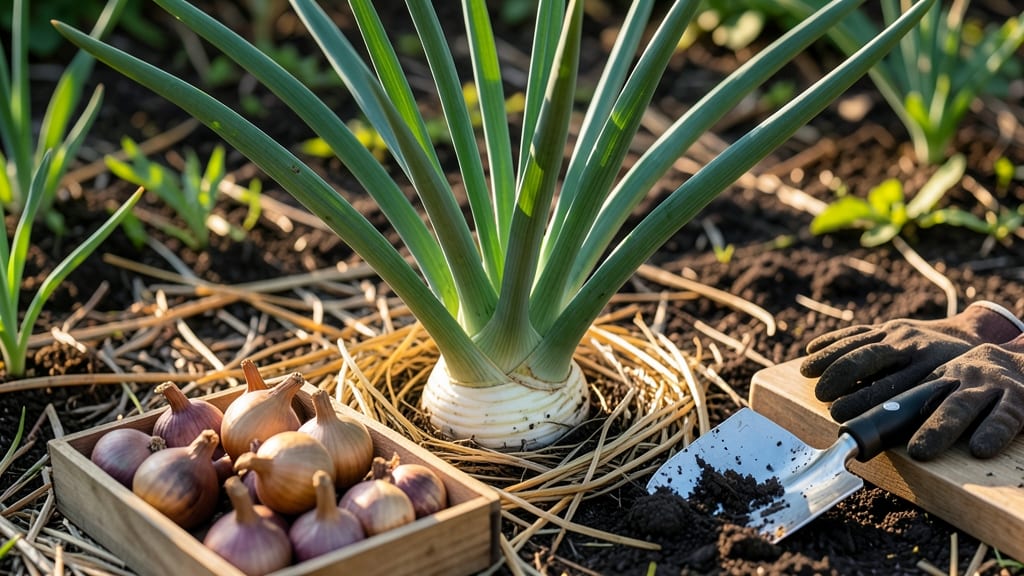
If you’ve ever tried growing onions in Texas only to watch them bolt in the heat or fail to mature, you’re not alone—but knowing when to plant onions in Texas is the key to success.
The perfect planting window isn’t just about tossing seeds into the ground when the weather feels right; it’s a strategic balance of timing, variety, and climate awareness.
Texas gardeners face unique challenges: scorching summers, unpredictable frost dates, and soil that can turn to concrete if not prepped properly.
But with the right timing—whether you’re planting short-day varieties in fall or heat-tolerant types in early spring—you can grow onions that store well, flavor your dishes boldly, and even thrive in USDA Zones 8a–11.
I’ll break down the exact months to plant for your region, which varieties work best, and how to avoid common pitfalls like bolting or stunted growth. Whether you’re a beginner or a seasoned gardener, these insights will help you harvest sweet, pungent, or storage onions all year long.
Ready to transform your garden? Let’s dive into the optimal planting schedule that’ll make your onions the star of your Texas kitchen.
Best planting months for onions in Texas by variety (short-day vs. long-day)
Texas’s diverse climate—from North Texas’s chilly winters to South Texas’s scorching summers—means onion planting isn’t one-size-fits-all. The key? Matching variety types to your region’s daylight hours.
Short-day onions thrive in Texas’s long summer days, while long-day varieties need cooler, shorter-days of spring or fall. Let’s break it down by USDA zones 8a–11.
In North Texas (zones 7b–8a), where frost lingers until mid-March, aim for fall planting (September–October) or early spring (February–March). South Texas (zones 9a–11) can plant year-round, but avoid summer heat—focus on fall (August–September) or winter (December–January) for best results.
The difference? Daylight exposure triggers bulb formation.
Here’s the critical rule: Short-day onions (e.g., 'Texas Early White') need 10–12 hours of daylight to form bulbs—perfect for Texas summers. Long-day onions (e.g., 'Yellow Sweet Spanish') require 14+ hours of daylight to bulb up, so they’re better suited to spring or fall.
Intermediate-day varieties (like '1015Y Yellow') are the most flexible.
🌱
| Variety Type | Best Planting Window | Texas Regions | Daylight Needs | Harvest Window |
|---|---|---|---|---|
| Short-Day | Fall (Sept–Oct) or Spring (Feb–March) | North/Central/South | 10–12 hours | Spring (March–May) |
| Intermediate-Day | Fall (Aug–Sept) or Spring (Feb–March) | All regions | 12–14 hours | Spring (April–June) |
| Long-Day | Fall (Oct–Nov) only | North/Central | 14+ hours | Late Spring (May–June) |
For North Texas gardeners, prioritize short-day varieties planted in September for a spring harvest.
If you’re in South Texas, you can push it to August—just be ready to shade plants in summer to prevent bolting. Central Texas (zones 8a–8b) offers the most flexibility, allowing both fall and spring plantings.
Pro tip: Use onion sets (small bulbs) in fall for an early spring harvest, or transplants in spring to avoid summer heat stress. Sets are cheaper and faster, while transplants give you larger bulbs. Seed-grown onions take longer (120+ days) but offer more variety choices.
Timing isn’t just about months—it’s about soil temperatures. Onions prefer cool soil (60–70°F), so avoid planting when ground temps exceed 80°F. In South Texas, this means no summer planting unless you’re using shade cloth.
In North Texas, wait until soil warms to 50°F+ in spring.
🌡️
One common mistake? Planting long-day onions in summer. They’ll bolt (flower prematurely) instead of forming bulbs. Instead, opt for short-day varieties like 'Texas Grano' or 'Red Creole' for summer crops. For storage onions (like 'Yellow Granex'), plant in fall—they’ll mature by spring and store well.
📅 Remember: Texas’s last frost dates vary wildly—January 15 in North Texas vs. December 1 in South Texas. Adjust your planting window 2–3 months before your local last frost for spring crops, or 4–6 weeks before for fall harvests.
Best planting months for onions in Texas by variety (short-day vs. long-day)
Texas’ diverse climate means short-day onions thrive in our long, hot summers, while long-day varieties struggle unless planted in cooler months. The key is matching your USDA Zone (8a–11) to the right variety and timing.
North Texas gardeners (Zone 8a) can plant as early as September for fall harvests, while South Texas (Zone 10a+) may extend planting into January for spring crops.
Onions need consistent soil temps between 50–85°F—too hot, and they bolt; too cold, and growth stalls. In Texas, this means fall planting (Sept–Oct) for spring harvests or early spring (Feb–March) for summer harvests.
The trick? Adjust for your last frost date—North Texas (Jan 15) vs. South Texas (Dec 1).
For North Texas (Zones 8a–8b), aim for September planting to harvest by May, avoiding the brutal summer heat. In Central Texas (Zone 8b–9a), stretch planting to October for spring harvests or February for summer harvests.
Meanwhile, South Texas (Zones 9b–11) can plant as late as January for spring crops or even August for fall harvests with shade protection.
Pro tip: Use onion sets (pre-sprouted bulbs) for faster results in Texas’ short growing windows. Sets planted in late winter (Feb) often yield larger bulbs than seedlings. Just ensure soil temps stay below 85°F—any hotter, and you’ll trigger bolting before harvest.
Remember, Texas onions need 6+ hours of sun daily, but afternoon shade (via row covers or dappled trees) can save summer plantings. Start with short-day varieties like ‘Texas Early White’ or ‘1015Y Yellow’—they’re bred to handle our long days without bolting.
Timing isn’t just about months—it’s about soil temps. Use a soil thermometer to confirm temps are 50–60°F before planting. In Texas, this often means waiting until late February for spring plantings, even if the calendar says “spring.”
🌱