
Trees
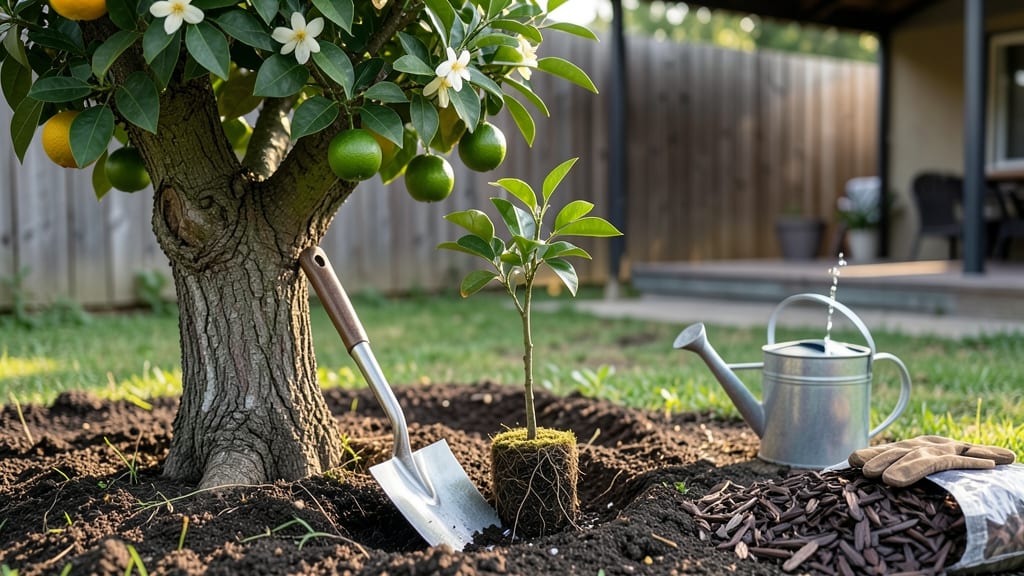
If you’ve ever dreamed of plucking fresh 🍊 from your own orange trees in Florida, the state’s frost-free climate makes it the perfect place—but planting at the wrong time can still spell trouble.
The key to growing a thriving orange tree lies in understanding Florida’s unique frost-free window, which isn’t just about avoiding cold snaps but also about giving young roots the best shot to establish before summer’s brutal heat hits.
While orange trees can technically be planted year-round in Florida’s 9a-11 zones, late winter to early spring remains the golden window for a reason. This is when the soil is still cool enough to prevent transplant shock while warm enough to encourage root growth before the scorching summer sun arrives.
Skipping this window could mean weaker roots, slower growth, or even stunted fruit production—something no citrus lover wants to deal with.
What you’re about to discover isn’t just about picking a month—it’s about preparing your soil, choosing the right spot, and even adjusting your approach if you’re planting in containers versus in-ground.
Whether you’re a first-time grower or a seasoned citrus enthusiast, these insights will help you avoid costly mistakes and set your orange tree up for a lifetime of bountiful harvests.
Ready to dive in? Let’s break down the exact steps to time your planting for maximum success, so you can enjoy homegrown oranges in just a few years—not decades.
Best planting months for orange trees in Florida’s frost-free zones
Florida’s frost-free climate makes it one of the best U.S. states for growing orange trees year-round—but timing still matters. The ideal window for planting is late winter to early spring, when temperatures are mild and soil moisture is higher.
This gives young roots time to establish before summer’s intense heat.
Unlike northern states, Florida rarely sees frost, but North Florida (Zones 8a-9a) can experience light freezes in December or January. Even a 28°F night can damage young orange trees, so timing is critical. South Florida (Zones 10a-11) has no frost risk, but summer heat can stress newly planted trees.
Here’s how Florida’s three regions differ in planting timing:
| Region | Best Planting Months | Key Considerations | Frost Risk |
|---|---|---|---|
| North Florida | January–February | Cooler temps, well-draining soil needed | Low (Dec–Jan) |
| Central Florida | December–March | Humidity higher; watch for fungal diseases | None |
| South Florida | Year-round (best: Jan–Feb) | Summer heat stress; mulch heavily | None |
For North Florida growers, planting in January ensures roots establish before summer.
In Central Florida, December through March works well, but avoid late spring—summer’s heat can shock young trees. South Florida’s long growing season allows year-round planting, but January–February still gives the best balance of mild weather and soil moisture.
If you’re in a microclimate (like a coastal area or inland valley), adjust slightly: coastal zones stay warmer longer, while inland areas may need earlier planting to avoid summer drought stress. Always check your local frost alerts, even in South Florida, as rare cold snaps can occur.
Container-grown orange trees can be planted year-round in Florida, but they still benefit from the cooler months. The key is ensuring the root ball stays moist but not soggy during the first 30–60 days after transplanting. This critical period determines whether your tree thrives or struggles.
Pro tip: If you miss the ideal window, don’t panic. Fall planting (September–November) is the second-best option, as long as you protect young trees from late-summer heatwaves with shade cloth and extra water. Just avoid planting in peak summer (June–August), when extreme heat can cause transplant shock.
For dwarf varieties (like ‘Calamondin’ or ‘Improved Meyer’), timing is slightly more flexible, but they still need 6–8 weeks of stable growth before summer’s intensity. Always choose container-grown trees over bare-root stock in Florida—they handle transplanting better in our humid climate.
Remember: The goal is root establishment, not just survival. A tree planted in January will have 6 months of mild weather to grow roots before summer’s challenge, while a tree planted in May may spend its first year fighting heat stress instead of thriving.
How to time your planting for maximum root growth before summer heat
Planting your orange tree just before Florida’s summer heat kicks in gives roots critical time to establish before the stress of high temperatures. Aim for late winter to early spring—this window ensures 6-8 weeks of cooler weather for root development before summer’s intensity.
For example, a January planting in North Florida gives roots until April to strengthen, while South Florida’s milder winters allow March plantings to thrive.
Start by preparing the soil 2-3 weeks before planting. Amend heavy clay with compost or sand to improve drainage, as citrus trees hate soggy roots.
Test soil pH—orange trees prefer 6.0-7.0. If your soil is too acidic, add lime gradually over a month to avoid shocking the roots.
Choose a partially cloudy day for planting to minimize stress. Dig a hole twice as wide as the root ball but no deeper. Loosen the roots gently if they’re circling—this encourages outward growth. Backfill with native soil mixed with compost to promote microbial activity, which boosts early root development.
After planting, mulch heavily (3-4 inches) with wood chips or pine straw to retain moisture and regulate soil temperature. Keep mulch 6 inches away from the trunk to prevent rot.
Water immediately with 10 gallons of water to settle the soil around roots, then water every 3-5 days for the first month.
Monitor young trees for wilting or yellowing leaves, which signal underwatering or root stress. Adjust watering as needed—mature trees need 50+ gallons weekly in summer, while young trees thrive on 15-20 gallons every 3-5 days. Avoid overhead watering to prevent fungal diseases like citrus greening.
By planting in this optimal window, your orange tree will enter summer with a robust root system, ready to handle Florida’s heat and produce fruit for years. Consistency in watering and soil care during these early months sets the stage for a healthy, productive tree. 🍊