
Plants
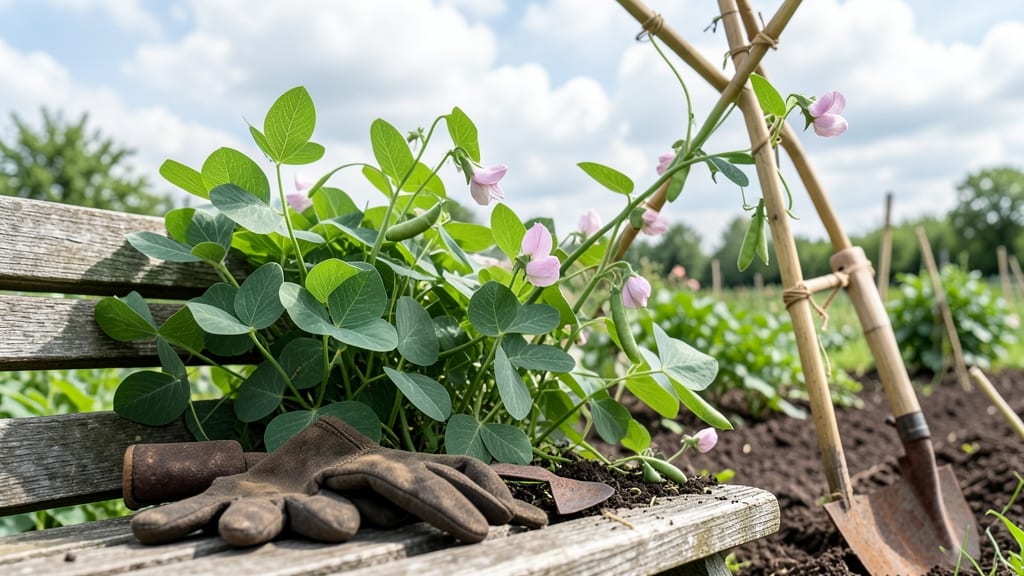
When to plant peas in East Tennessee just right can mean the difference between a bumper crop and a frost-killed disappointment. Unlike many vegetables, these cool-season stars thrive when the ground is still chilly—so planting too early or too late throws off the whole game.
Most gardeners in zones 6b-7a swear by two sweet spots: late winter (February-March) for spring harvests or late summer (July-August) for fall peas. But here’s the catch—East Tennessee’s microclimates (think Smoky Mountain valleys vs. plateau areas) can shift ideal dates by 2-3 weeks.
I’ll show you how to read your local frost patterns like a pro.
We’re talking soil temps above 40°F and avoiding those sneaky late frosts that hit after March 15th. Whether you’re growing sugar snaps or shelling peas, these timing tricks will have you picking fresh pods from May through November—no guesswork required.
Ready to beat the frost and grow peas like a local? Let’s break down the exact windows, soil checks, and variety picks that work best in your backyard—no matter if you’re in Knoxville, Chattanooga, or the mountains.
Best planting windows for peas in East Tennessee’s frost zones
East Tennessee’s USDA Zones 6b-7a bring unique frost challenges, but peas thrive in cool weather—making timing everything. The average last frost date hovers around March 15, but elevation changes everything.
High-altitude areas like Gatlinburg (Zone 6b) face frost risks weeks longer than Chattanooga’s urban heat islands (Zone 7a). Planting too early risks frost damage; too late, and you miss the spring harvest window.
For spring peas, the sweet spot is 4-6 weeks before your last frost date. That means mid-February to early March in most of East Tennessee. In Zone 7a (low elevations), you can push planting to late January if soil temps stay above 40°F.
Meanwhile, Zone 6b gardeners should wait until March 1 to avoid frost.
Don’t overlook fall planting—East Tennessee’s mild winters allow a second harvest. Aim for 8-10 weeks before the first frost (mid-November), which translates to late July to early August. This strategy extends your harvest into October-November when spring crops fade.
Here’s how microclimates shape your planting strategy:
| Zone & Location | Spring Planting Window | Fall Planting Window | Key Risk |
|---|---|---|---|
| Zone 6b (Gatlinburg, Highlands) | March 1–15 | July 20–August 5 | Late frosts (after March 15) |
| Zone 7a (Knoxville, Chattanooga) | February 15–March 1 | July 30–August 10 | Heat stress (after May 15) |
| Urban Heat Islands (Nashville outskirts) | February 1–March 1 | August 1–15 | Soil compaction |
Local gardeners swear by cold-hardy varieties like ‘Sugar Snap’ or ‘Green Arrow’ for spring planting. These tolerate 28°F temps, giving you a buffer against late frosts.
For fall, ‘Oregon Sugar Pod’ matures quickly (60 days) to beat frost. Pro tip: Plant in blocks (not rows) to stagger maturity and extend harvests.
Soil temperature is your true planting guide, not just calendar dates. Use a soil thermometer—peas need 40°F+ soil to germinate. In East Tennessee, this often aligns with mid-March for spring and early August for fall.
If soil is cold, delay planting or use black plastic mulch to warm it faster.
Don’t assume container gardening changes timing—pots cool faster than in-ground beds. If growing in containers, plant 2 weeks later than your ground schedule to account for temperature swings. Elevation matters too: Add 1 week to planting dates for every 1,000 feet above sea level.
For continuous harvests, pair spring and fall plantings with succession sowing. Plant every 2 weeks from February to April, then repeat in July-August. This ensures peas are ready to pick when spring crops fade and before fall frosts hit.
East Tennessee’s rainy springs can delay planting—wait until soil is workable (not muddy). If rain keeps you out of the garden, start peas indoors under grow lights 4 weeks before your target outdoor date. Transplant seedlings when they’re 2–3 inches tall and soil is 50°F+.
Remember: Peas are cool-season champions, but they bolt in heat. If temperatures hit 80°F+ for 3+ days, your plants may flower prematurely and produce bitter pods. Use shade cloth in late spring if heat waves strike early.
Signs your East Tennessee peas are ready to plant (and when to wait)
Planting peas too early in East Tennessee’s chilly soils can stunt growth, while waiting too long risks missing the optimal 40°F+ soil temperature window. The key is reading your garden’s signals—both environmental and physical—to time your planting perfectly for fast germination and strong vines.
First, check the soil temperature using a soil thermometer. Peas thrive when soil reaches at least 40°F, but 50°F+ speeds up germination. In East Tennessee’s Zone 6b-7a, this typically aligns with mid-February to early March for spring plantings, but microclimates matter—valleys stay colder longer than ridges.
Next, monitor moisture levels. Pea seeds need consistent moisture to germinate, but soggy soil invites rot. Aim for damp but not waterlogged conditions—think of a wrung-out sponge. If your soil feels dry 1 inch below the surface, water deeply 1-2 days before planting to kickstart the process.
🌱 Pro Tip: Look for warm days and cool nights (50°F-60°F range). This temperature dance signals ideal planting conditions. In the Smoky Mountains, this often happens 2-3 weeks later than in Knoxville’s urban areas due to higher elevations.
⚠️ Warning: Common Planting Mistakes
Planting in cold, wet soil causes seeds to rot before sprouting. Waiting until soil is too warm (above 70°F) stresses peas and reduces yields.
Solution: Use a soil thermometer and plant when temps are consistently 40°F+ during the day and above 32°F at night.
Don’t overlook local weather patterns. Chattanooga’s rain shadow effect creates drier conditions, while the Great Smoky Mountains’ frost pockets can delay planting by weeks. Check your local frost-free date (typically March 15 in East TN) and plant 4-6 weeks before this date for spring peas.
Finally, observe pea seed viability. Fresh seeds germinate faster—test yours by soaking 5 seeds overnight. If 3+ sprout within 24 hours, your seeds are ready. Old seeds may take 10+ days to germinate, wasting precious early-season windows.
By combining soil temperature checks, moisture monitoring, and local weather awareness, you’ll nail the perfect planting time—whether you’re in Knoxville’s urban gardens or the Appalachian foothills. 🌿