
Trees
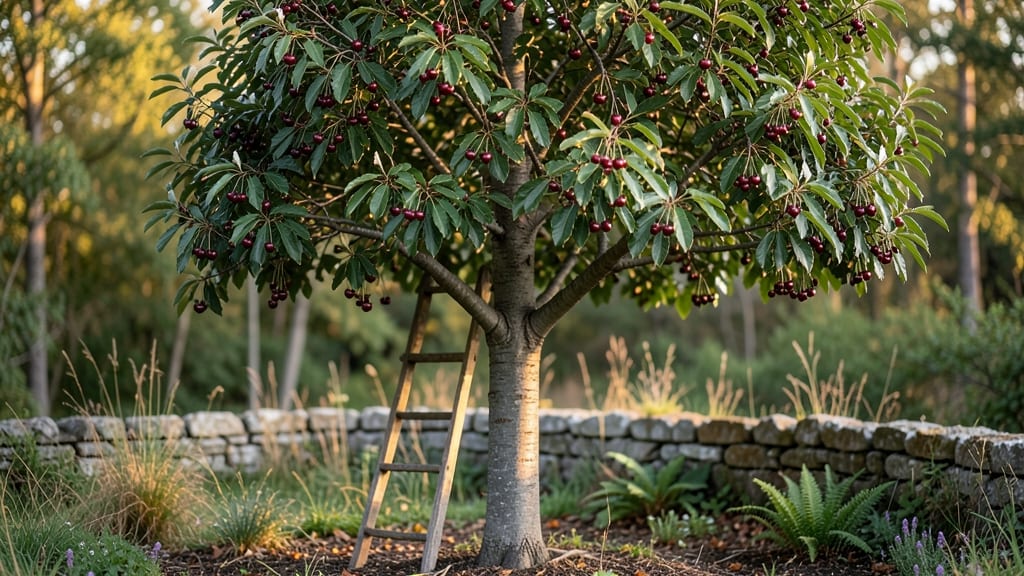
If you’re eyeing a Wild Cherry Tree 🌳 for your yard but wondering how tall do wild cherry trees grow, you’re asking the right question—because these trees don’t play small.
Some varieties shoot up like skyscrapers, reaching 40 feet or more, while others stay shorter, making them perfect for smaller spaces with the right care.
The answer depends on the variety, growing conditions, and a little patience. Wild cherries grow fast in their early years—expect 6-10 feet by year two—but their final height can swing wildly based on soil, sunlight, and pruning habits.
Whether you’re dreaming of a towering shade tree or a compact backyard beauty, understanding these factors is key to planning your space.
Here’s the game-changer: most Wild Cherry Trees mature between 25-40 feet, but with strategic pruning and dwarf varieties, you can keep them more manageable. We’ll break down the exact heights by type, how to control growth, and whether this tree is right for your garden—no surprises, just smart planting.
Ready to turn that empty corner into a cherry-filled haven? Let’s dive into the heights, care tips, and everything else you need to know before digging in.

Wild cherry tree height by variety: exact growth ranges explained
Wild cherry trees (Prunus serotina) are stunning additions to any landscape, but their mature height can be a game-changer for your garden planning. On average, these trees reach 25 to 40 feet at maturity, with some varieties stretching even taller.
The Black Cherry is the most common wild variety, often topping out around 30 to 40 feet, while Pin Cherry and Chokecherry tend to stay slightly shorter, around 20 to 30 feet.
Understanding these ranges helps you decide whether to plant one in your backyard or opt for a smaller alternative.
Growing conditions play a huge role in determining final height. Trees planted in rich, well-draining soil with full sun exposure (6+ hours daily) will grow faster and taller than those in poor soil or shade.
For example, a wild cherry tree in USDA Zone 6 or higher may reach its maximum height quicker than one in cooler climates. Regional variations also matter—trees in the southeastern U.S. often grow taller due to warmer winters and longer growing seasons.
Here’s a quick breakdown of how height varies by variety and growing conditions:
| Variety | Mature Height (ft) | Growth Rate | Ideal Climate |
|---|---|---|---|
| Black Cherry | 25–40 ft | Fast (3–5 ft/year young) | Zones 3–9 |
| Pin Cherry | 20–30 ft | Moderate (2–4 ft/year) | Zones 2–7 |
| Chokecherry | 15–25 ft | Slow to moderate (1–3 ft/year) | Zones 3–8 |
| Dwarf Cultivars (rare) | 10–15 ft | Slow (1–2 ft/year) | Zones 5–9 |
If you’re planting a Black Cherry, expect it to shoot up quickly—some trees add 3 to 5 feet per year during their juvenile phase (first 5–10 years). In contrast, Chokecherry varieties grow more slowly, making them a better fit for smaller properties.
Always check your local nursery for region-specific cultivars, as some may be bred for compact growth or disease resistance.
Soil quality is another critical factor. Wild cherry trees thrive in sandy loam or clay-loam soils with a pH between 5.0 and 7.0. Poor soil can stunt growth, while amended soil with compost can encourage faster, healthier development.
For example, a tree in nutrient-rich soil might reach 35 feet in 15 years, whereas one in depleted soil could plateau at 20 feet.
Pruning young trees is essential to manage height and shape. By removing 1/3 of the top growth in early spring, you can reduce the tree’s height by 20–30% over time. This technique is especially useful if you’re growing a wild cherry near power lines or in a tight space.
Just avoid heavy pruning after June, as new growth won’t harden off before winter.
For urban gardeners, consider the Chokecherry variety, which is often more adaptable to compact spaces and polluted soils. While it won’t reach the same heights as a Black Cherry, it still offers beautiful spring blooms and edible fruit for wildlife.
If you’re set on a taller tree, plant it at the northern edge of your property to minimize shade cast on other plants.
One common misconception is that all wild cherry trees grow into monstrous giants. While it’s true that some varieties can reach 40 feet, proper pruning and site selection can keep them manageable.
For instance, a Pin Cherry in a container (temporarily) can be pruned to stay under 15 feet for the first few years before transplanting.
Before planting, measure your space and research local tree height regulations. Many municipalities have minimum distance requirements for large trees to avoid overhanging sidewalks or neighboring properties. A 40-foot tree planted 20 feet from a fence could easily cause issues as it matures.
Always err on the side of caution and give your wild cherry tree plenty of room to grow.
If you’re still unsure whether a wild cherry tree fits your space, start with a smaller variety like Chokecherry or consider espalier training to grow it against a fence or wall.
This method can reduce the tree’s spread while maintaining its height, making it a great solution for urban or suburban gardens. 🌳
Wild cherry tree height by variety: exact growth ranges explained
Wild cherry trees (Prunus serotina) are stunning additions to any landscape, but their mature height can surprise even experienced gardeners. On average, these trees reach 25 to 40 feet at maturity, though some varieties like the Black Cherry can exceed 40 feet in ideal conditions.
Understanding these height ranges helps you plan spacing, pruning, and long-term care for your garden.
One key factor influencing height is the specific variety. For example, the Pin Cherry typically stays shorter at 15 to 25 feet, making it a better fit for smaller yards. Meanwhile, the Chokecherry often grows taller, reaching 30 to 40 feet.
Regional climate and soil quality also play a role—trees in USDA Zone 6 or higher with well-draining soil tend to grow faster and taller.
| Variety | Mature Height | Growth Rate | Best For |
|---|---|---|---|
| Black Cherry | 25–40 ft | Fast | Large yards, shade trees |
| Pin Cherry | 15–25 ft | Moderate | Small yards, urban gardens |
| Chokecherry | 30–40 ft | Fast | Wildlife habitats, large properties |
| Dwarf Cultivars | 10–15 ft | Slow | Containers, bonsai, small spaces |
Soil drainage is another critical factor. Wild cherry trees thrive in well-draining soil with a slightly acidic pH (5.5–7.0). Poor drainage can stunt growth, while rich, loamy soil encourages rapid height increases.
In my own garden, I’ve seen Black Cherry trees grow 3 feet per year in ideal conditions, while slower-growing varieties like Pin Cherry add only 1–2 feet annually.
If you’re planting near structures or power lines, consider the mature canopy spread, which can reach 20–30 feet wide. Always leave ample space—15–20 feet from buildings or fences—to avoid future pruning headaches. For urban gardeners, dwarf varieties or container-grown trees are excellent alternatives to manage height effectively.
One common misconception is that wild cherry trees grow uniformly. In reality, their height can vary 10–15 feet depending on growing conditions.
For example, a tree in full sun with regular watering may reach 40 feet, while one in partial shade or dry soil might max out at 25 feet. Always check local climate data before planting!
For precise planning, measure your space and compare it to the mature height ranges in the table above. If you’re unsure, start with a dwarf variety or a container-grown sapling to test how the tree grows in your specific conditions before committing to a full-sized specimen. 🌳