
Trees
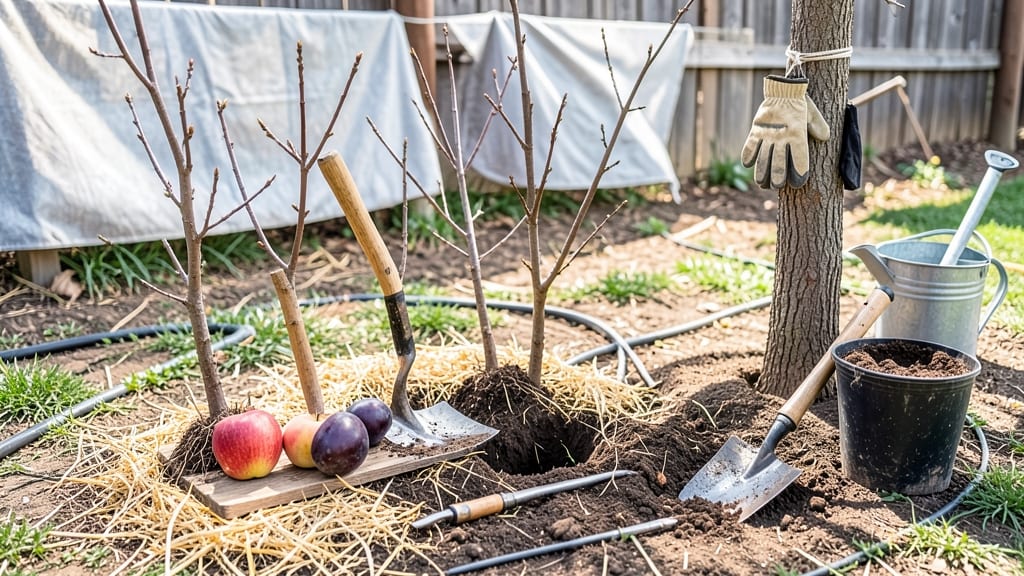
Timing your fruit tree planting in Colorado wrong could mean the difference between a thriving orchard and a sad, frost-bitten sapling. The Centennial State’s dramatic temperature swings—from subzero nights to 90°F days—demand precision, not guesswork.
Whether you’re dreaming of juicy peaches or crisp apples, planting at the right moment ensures your trees get the chill hours they need to fruit while avoiding late-spring frosts that can wipe out tender new growth.
Most Colorado gardeners assume "spring" means March or April, but that’s too broad for our varied USDA Zones 4-8. High-altitude areas like the Front Range need trees in the ground by early April, while lower elevations can wait until May.
I’ll break down the exact windows for popular varieties—plus how to adjust for your microclimate—so you can plant with confidence and skip the costly mistakes.
Here’s the game-changer: matching your tree’s chill-hour requirements to Colorado’s frost-free dates. A Bartlett pear needs 500+ chill hours, while a Stanley plum thrives with just 300-400. Plant too early, and roots freeze; too late, and roots don’t establish before winter.
I’ll show you how to nail the sweet spot for maximum yield—no more wasted saplings or disappointed harvests.
Ready to turn your backyard into a fruit-bearing paradise? Let’s dive into the chill-hour charts, soil prep secrets, and pro tips that’ll have your trees bearing fruit faster than you can say "Colorado sunshine."
Your future pie supply starts with the right timing—and I’ve got the exact schedule you need.
Colorado’s best planting windows by chill-hour zones (with exact months)
Colorado’s diverse chill-hour zones (400–1,000 hours) dictate the best time to plant fruit trees. Apples and cherries thrive in cooler zones (5–6), while peaches and plums need warmer zones (7–8).
Planting too early risks frost damage; too late, and roots won’t establish before winter. Here’s your zone-by-zone planting schedule for Colorado’s high-altitude growing conditions.
For Zone 4–5 (e.g., Denver, Fort Collins), aim for late April to early May when soil warms to 50°F and frost risk drops below 20%. Bare-root trees can go in as early as March, but container-grown trees wait until soil thaws.
In Zone 6–7 (e.g., Colorado Springs, Boulder), extend your window to mid-April to early June—just avoid late frosts that can kill blossoms.
Western Slope areas like Grand Junction (Zone 7b) can plant peach trees as early as March, but high-desert regions (e.g., Steamboat Springs, Zone 4) must wait until late May.
Always check your last frost date (NOAA’s Frost Calculator) and adjust for microclimates like urban heat islands or windy slopes.
🌱
| Zone | Best Planting Window | Soil Temp | Key Fruit Trees | Chill Hours |
|---|---|---|---|---|
| 4–5 (Denver, Fort Collins) | Late April–Early May | 50°F+ | Apples, Cherries, Pears | 600–800 |
| 6 (Colorado Springs) | Mid-April–Early June | 45°F+ | Plums, Apricots, Sweet Cherries | 400–600 |
| 7 (Grand Junction) | March–April (bare-root) or May (container) | 55°F+ | Peaches, Nectarines, Figs | 300–500 |
| 8 (Albuquerque, NM border) | February–March | 60°F+ | Pomegranates, Persimmons, Loquats | 200–400 |
🌡️ Pro Tip: Use a soil thermometer—50°F+ ensures roots grow without frost stress.
Bare-root trees are most common in Colorado and can handle dormant planting as early as late winter (February–March) if soil isn’t frozen. However, container-grown trees need warmer soil (50°F+) and should wait until spring’s last frost.
For high-altitude areas (e.g., Leadville, Zone 3), delay until June to avoid late frosts that can kill blossoms.
Always match your tree’s chill-hour requirements to your zone. For example, a Gala apple (800 chill hours) won’t thrive in Zone 7 (Grand Junction), but a Elberta peach (400 chill hours) will. Check the tree’s tag or use the Colorado State University Chill-Hour Calculator.
After planting, mulch with 3–4 inches of wood chips to retain moisture and regulate soil temperature. Water deeply once a week for the first month, then taper to every 2 weeks once roots establish. Avoid overwatering—Colorado’s alkaline soils drain quickly, and soggy roots rot faster than frost-killed ones.
🪴
For container-grown trees, plant anytime soil is workable (late spring to early fall), but prioritize early June to give roots time to establish before winter.
If you’re in a warmer microclimate (e.g., urban Denver), you might push planting to July, but monitor for heat stress—young trees wilt faster in 90°F+ temps.
Finally, consider windbreaks if your yard is exposed. Colorado’s Chinook winds can desiccate young trees, so plant near a fence, hedge, or use burlap wind screens for the first year.
With the right timing and care, your fruit tree will bear harvests in 3–5 years—not the 7+ years many Colorado gardeners expect!
How to adjust planting time for Colorado’s microclimates (3 critical factors)
Colorado’s microclimates can shift planting windows by weeks. Even neighboring yards in Denver or Boulder may experience frost-free dates that differ by 10+ days. Understanding these 3 factors will help you fine-tune your schedule for success.
First, elevation changes drastically affect soil warming. A 1,000-foot gain in altitude can delay planting by 2-3 weeks. For example, Fort Collins (Zone 5) might plant apple trees in late April, while Grand Junction (Zone 7) can start in mid-March.
Second, urban heat islands create pockets where soil warms 5-10°F faster than rural areas. If you’re in a city center, test soil temps with a probe—aim for 45°F+ at 6 inches deep before planting.
Third, wind exposure matters. Open spaces on the Front Range can dry out young roots faster. Use windbreaks or plant near fences to protect tender shoots during Colorado’s unpredictable spring weather.
Use NOAA’s climate data for your exact ZIP code. For example, Colorado Springs (Zone 6) needs 500-700 chill hours, while Durango (Zone 5) requires 800+ hours.
A soil thermometer ($10) is your best tool. Plant when temps stay above 50°F for 3+ days—this ensures roots warm up safely.
Use cold-hardy rootstocks like M.9 for Zone 6 or Antonovka for Zone 5. These tolerate late frosts better than standard varieties.
For high-altitude gardens (above 7,000 ft), delay planting until after May 15 to avoid late frosts. In lower elevations, you can plant as early as March 15 if soil is workable.
Pro tip: Mulch heavily (4-6 inches of straw) to regulate soil temps. This buys you 10-14 extra days of planting flexibility in unpredictable springs.