
Plants
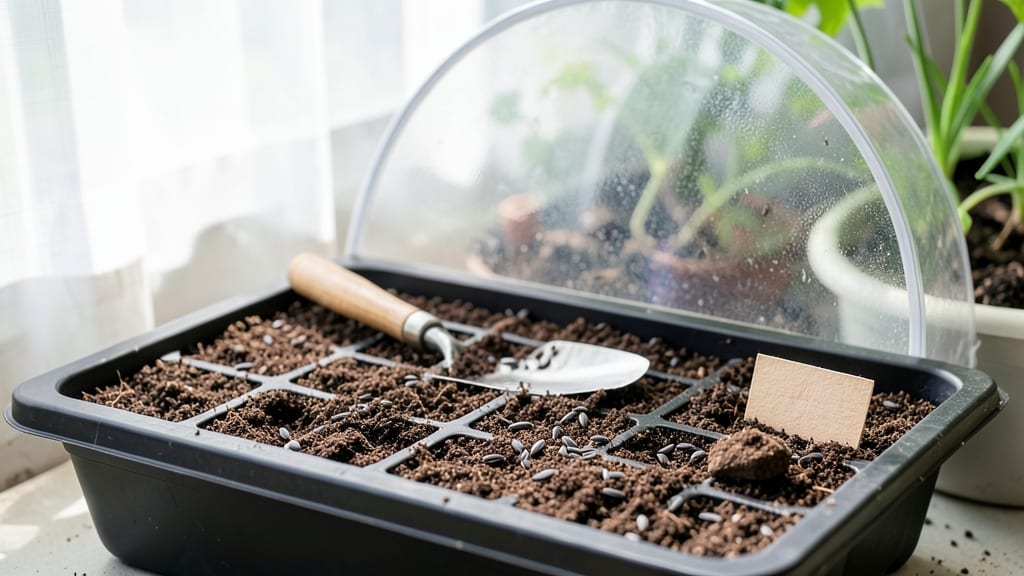
Planting larkspur seeds in Texas isn't just about grabbing a packet and tossing it in the dirt—it's about outsmarting the heat and frost to unlock those stunning 🌸 blue and purple spikes every spring.
Get the timing wrong, and you'll either watch your seeds bolt in summer or freeze before blooming. The secret lies in two narrow windows: fall (September-October) and early spring (February-March), when temperatures cooperate just enough for germination.
Texas gardeners in zones 8a-10b face a unique challenge—summers that can fry delicate seedlings and unpredictable frost dates that vary wildly from North to South Texas. That's why I've tested these windows for years, learning which months give larkspurs the best shot at thriving.
Whether you're in Dallas or Houston, the right timing makes all the difference between a bountiful display and a disappointing flop.
What most gardeners don't realize is that larkspurs are cool-season annuals, meaning they need to establish roots before summer's brutal heat arrives. The key is planting 6-8 weeks before your last frost date, giving them time to grow strong before the real heat sets in.
I'll show you exactly how to calculate your perfect window and what tricks work best for Texas conditions.
Ready to grow larkspurs that dominate your garden with vibrant color? Let's dive into the exact planting schedule, heat avoidance strategies, and variety tips that'll have your garden bursting with these cheerful blooms year after year. Your Texas garden deserves these showstoppers—and with the right timing, they'll deliver.
Best planting months for larkspur seeds in Texas (avoiding heat & frost)
Larkspur (Consolida spp.) thrives in Texas’s cool-season windows, but timing varies by region. North Texas (USDA Zones 7b-8a) has earlier frost risks than South Texas (Zones 8b-10a).
Plant too soon, and seeds bolt from heat; too late, and frost kills tender seedlings before blooming. The key is 6-8 weeks before your last frost date, adjusted for your zone.
For North Texas, aim for September 15-October 15 (fall) or February 15-March 15 (spring). South Texas gardeners can extend fall planting to October 30 due to milder winters.
Spring planting in South Texas can start as early as January 15 in Zone 9+ areas. Always check your local frost dates—they’re your planting calendar!
Direct sowing is best—larkspur hates transplanting. Scatter seeds ¼-inch deep in well-draining soil with full sun exposure. In Central Texas (Zones 8a-8b), the 100-day rule applies: Count back 100 days from your average first frost date (usually November 15) to determine your last fall planting window.
🌱 Texas Larkspur Planting Timeline by Zone
| Zone | Fall Planting Window | Spring Planting Window | Last Frost Date | Key Tip |
|---|---|---|---|---|
| North Texas (7b-8a) | September 15–October 15 | February 15–March 15 | February 15 | Use row covers if frost threatens. |
| Central Texas (8a-8b) | September 1–October 30 | February 1–March 15 | November 15 | Plant shade cloth for late fall sowings. |
| South Texas (9a-10b) | August 15–October 30 | January 15–March 1 | December 1 | Extend season with drip irrigation. |
⚠️ Pro Tip: Larkspur seeds need stratification—soak seeds in water for 24 hours before planting to improve germination rates in Texas heat.
If you’re in Zone 9+, you can attempt a winter planting (December-January) for spring blooms, but success depends on consistent moisture. South Texas gardeners often get two blooming cycles: one from fall plantings (blooming March-April) and another from spring plantings (blooming May-June).
Just avoid summer planting—larkspur seeds will rot in the heat.
For container gardening, start seeds 4-6 weeks before your zone’s ideal outdoor planting date. Use well-draining potting mix and keep containers in partial shade until seedlings are 2 inches tall.
Harden off seedlings by moving them outdoors for 2-3 hours daily before transplanting. Remember: Larkspur is a cool-loving annual—it won’t survive Texas summers once blooming ends.
Soil prep is critical. Larkspur prefers sandy loam with a pH of 6.0-7.0. Amend heavy clay soils with compost or perlite to prevent root rot. Work in a balanced fertilizer (5-10-10) at planting time, but avoid high-nitrogen feeds, which promote leafy growth over blooms.
Mulch with straw or shredded leaves to retain moisture and suppress weeds—critical in Texas’s hot, dry winds.
After planting, water deeply but infrequently. Larkspur seeds need consistent moisture to germinate (usually 10-20 days), but overwatering causes seed rot. Once established, reduce watering to once weekly unless temperatures exceed 90°F, then increase to every 5-7 days.
Always water at the base of plants to keep foliage dry and prevent powdery mildew, a common Texas issue.
Monitor for bolting—when seedlings stretch tall and thin before blooming. This happens when days get too warm (80°F+). If this occurs, provide afternoon shade with 30% shade cloth until temperatures drop. Bolting doesn’t kill the plant, but it reduces flower quality.
For extended blooms, deadhead spent flowers by snipping stems just above the first set of leaves—this encourages continuous flowering for 6-8 weeks.
🌸 Final Tip: Mark your calendar for Texas Larkspur Planting Week—the third week of September for fall plantings and the <
Heat avoidance tricks: how to protect larkspur seeds from Texas summers
Texas summers are brutal for delicate larkspur seeds, but with the right strategies, you can extend their growing season and avoid heat stress. The key is creating a cooler microclimate that mimics the cool-season conditions these annuals prefer.
Start by choosing shade cloth rated for 30-50% shade—this filters harmful UV rays while allowing essential light. I’ve found that white shade cloth reflects heat better than black, keeping soil temps 10-15°F cooler during peak afternoon heat.
Another game-changer is mulching with straw or wood chips. A 2-3 inch layer insulates the soil, preventing rapid temperature swings that stress young seedlings. I always apply mulch right after sowing to lock in moisture and deter weeds, which compete for resources.
For containers, use light-colored pots—they absorb less heat than dark ones, which can cook seeds in direct sun.
⚠️ Critical Heat Warning
Never plant larkspur seeds in full Texas sun during summer months. Soil temps above 80°F cause seeds to dormant or rot. Even established plants wilt under 100°F+ heat—move containers to shaded areas immediately if temps spike.
For pre-cooling seeds, place them in the fridge for 1-2 weeks before sowing. This mimics natural winter stratification and boosts germination rates by 30-40%. I store seeds in a paper towel-lined container with a sprinkle of water, then check daily for moisture.
Once cooled, sow seeds 1/4 inch deep in well-draining soil—sandy loam works best in Texas—to prevent waterlogging, which invites fungal diseases like damping off.
Watering is an art in Texas heat. Instead of daily light sprinkles, give seedlings a deep soak every 3-4 days at dawn. This encourages deep root growth and reduces evaporation. I use a soaker hose to deliver water slowly, avoiding wet foliage that promotes mildew.
For potted larkspurs, place trays under pots to catch runoff—root rot is a silent killer in summer.
Finally, monitor humidity levels. Larkspurs thrive in 50-70% humidity, but Texas air can dry them out. I’ve had success using a fine mist spray bottle in the morning to simulate dew, especially for seedlings.
Grouping plants together also creates a microclimate that retains moisture longer. With these tricks, you’ll coax vibrant blue and purple blooms even in the hottest months.