
Plants
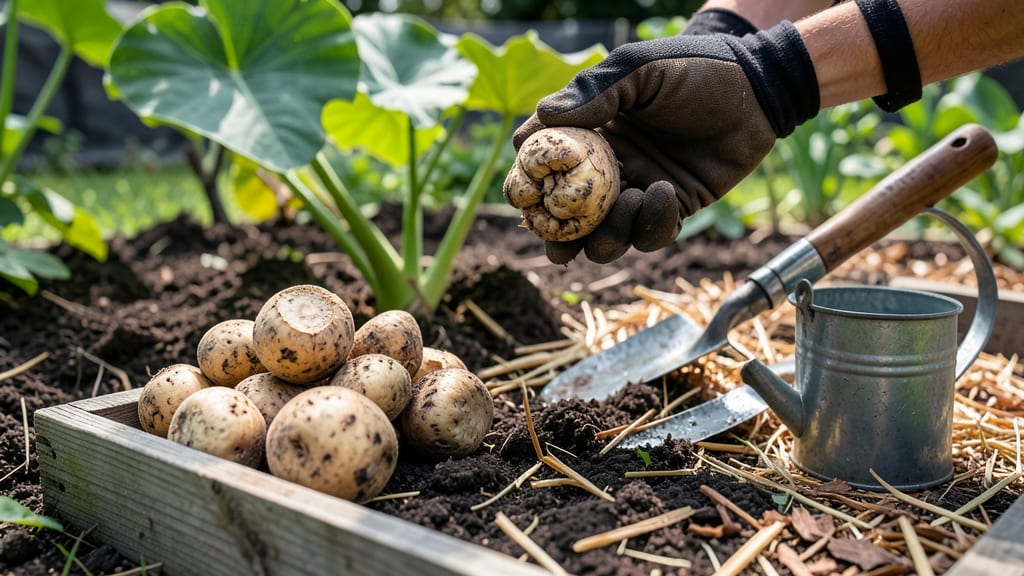
Timing the planting of caladium bulbs in Texas can make or break your chances of seeing those stunning, heart-shaped leaves take over your garden. The right moment depends on more than just the calendar—it’s about soil temperatures, regional frost risks, and even the brutal Texas sun.
If you’ve ever watched your caladiums wilt under summer’s scorching heat or struggle to emerge in chilly spring air, you know how critical this step is.
I’ve grown these beauties in USDA zones 8a-11, and the difference between a thriving display and a failed experiment comes down to one key factor: patience paired with precision.
Let’s break down exactly when to plant your caladium bulbs—whether you’re in North Texas where frost lingers into March or South Texas where the heat arrives early. You’ll learn how to read the signs, prep your soil, and give your 🌿 caladiums the best shot at vibrant, long-lasting foliage.
From soil thermometers to shade strategies, I’ll share the exact steps I use to ensure my caladiums don’t just survive, but thrive through Texas’s unpredictable growing season. Ready to transform your garden into a lush, leafy paradise?
Texas heat-zone planting calendar for caladium bulbs: exact months & temperature rules
Timing is everything when planting caladium bulbs in Texas, where USDA zones 8a-11 create wildly different growing conditions. Unlike cool-season crops, caladiums demand warm soil (at least 65°F) and frost-free nights to thrive.
Plant too early, and your bulbs will rot in cold soil; too late, and they’ll struggle with summer’s 100°F+ heat before establishing roots.
Texas spans three distinct planting regions, each with its own last frost date and ideal window. North Texas (e.g., Dallas) has a February 15 average last frost, while South Texas (e.g., Corpus Christi) sees January 1 frost-free dates.
Central Texas (Austin) falls in between, with March 1 as the safer bet for most varieties.
Here’s the golden rule: Wait until soil temperatures consistently stay above 65°F—use a soil thermometer to check! In most of Texas, this aligns with mid-March to early April, but South Texas gardeners can plant as early as late February in sheltered microclimates.
Pro tip: Caladiums hate cold feet. Even if daytime temps are warm, nighttime dips below 50°F will shock bulbs. Monitor local frost forecasts (like those from the Texas A&M AgriLife Extension) and hold off until the 10-day outlook shows no frost risk.
For container gardening, you can push planting dates slightly earlier (by 2-3 weeks) since pots warm up faster. Just ensure your container soil stays above 60°F at night. In North Texas, this might mean waiting until early April.
One common mistake? Planting caladiums in May or June for a "summer show." While they’ll grow, they’ll bolt to flower quickly (losing that showy foliage) and struggle in peak heat. The ideal window is March-April, giving roots time to establish before June’s brutal sun.
| Texas Region | USDA Zone | Last Frost Date | Ideal Planting Window | Soil Temp Threshold | Key Risk |
|---|---|---|---|---|---|
| North Texas (Dallas, Fort Worth) | 8a-8b | February 15 | Mid-April (after 65°F soil) | 65°F+ | Late frost |
| Central Texas (Austin, San Antonio) | 8b-9a | March 1 | Late March (after 60°F soil) | 60°F+ | Heat stress if planted late |
| South Texas (Houston, Corpus Christi) | 9a-11 | January 1 | Late February (after 65°F soil) | 65°F+ | Humidity + fungal risk |
| Containers (Anywhere) | 8a-11 | Varies | 2-3 weeks earlier than ground | 60°F+ | Drying out |
Use this region-specific guide to avoid the two biggest caladium killers in Texas: cold soil and overheating. For example, in North Texas, planting in early March might seem safe, but soil temps can still dip below 60°F at night. Always test your soil with a thermometer before planting.
If you’re in zone 10-11 (South Texas), you can even plant caladiums in fall (October-November) for a winter show, but this requires well-draining soil to prevent rot during the warm, wet winters. Most gardeners stick to spring planting for reliability.
Remember: Caladiums are tropical. They hate Texas summers if planted too late. The goal is to get them rooted and leafing out by May, so they can ride out the heat without bolting or scorching.
For maximum foliage, aim to plant by April 15 in most of the state.
For extra insurance, pre-warm your soil in North/Central Texas by covering beds with black plastic mulch for 2-3 weeks before planting. This raises soil temps by 10-15°F, letting you plant 2 weeks earlier safely.
How to prepare caladium bulbs for Texas’s brutal summer heat: pre-planting tips to ensure survival
Caladium bulbs are tropical divas—they demand warm soil and gentle shade to thrive in Texas’s intense summers. If you plant them too early, they’ll rot in cool, damp soil.
If you wait too long, they’ll scorch under 100°F+ afternoon sun. The key is preparing them right—starting with the soil and ending with strategic shade.
First, test your soil’s temperature with a soil thermometer. Caladiums need 65°F+ soil to sprout—any cooler, and they’ll refuse to grow. In North Texas (Zones 8a-8b), aim for mid-April; in Central/South Texas (Zones 9a-11), late February or early March works.
Check local frost-free dates via the Texas A&M AgriLife Extension for precision.
🌱 5 Critical Pre-Planting Steps for Texas Caladiums
- 1. Chill bulbs for 8–10 weeks in a cool, dark place (50–60°F) to break dormancy.
- 2. Amend heavy clay soil with 2–3 inches of compost or pine bark fines for drainage.
- 3. Plant in partial shade (e.g., east-facing beds or under dappled oak trees).
- 4. Mulch with 2–3 inches of straw to retain moisture and block weeds.
- 5. Water deeply after planting to settle soil—no soggy roots!
Texas soil is often clay-heavy and alkaline, which stresses caladiums. Mix in peat moss or coconut coir to improve aeration, and add a handful of sulfur to lower pH if your soil tests above 6.5.
For container gardening, use a light, airy potting mix with perlite to prevent root rot—a common killer in Texas’s humidity.
If you’re buying bulbs online or from out-of-state nurseries, inspect them for soft spots or mold before planting. Store them in a paper bag in the fridge until you’re ready to plant.
Pro tip: Soak bulbs for 15 minutes in a fungicide solution (like copper fungicide) to prevent root rot in Texas’s damp springs.
Shade is non-negotiable in Texas. Use shade cloth (30–50%) or plant near tall perennials like canna lilies or hostas to filter harsh afternoon sun.
In South Texas (Zones 9b–11), where summers are longer and hotter, consider container growing with wheels—you can move pots to shadier spots as the sun shifts.
Finally, avoid fertilizing until you see new leaves—overfeeding stresses bulbs. Once established, use a balanced 10-10-10 fertilizer lightly every 6–8 weeks during the growing season. In Texas’s heat, less is more: caladiums grow for showy foliage, not speed.